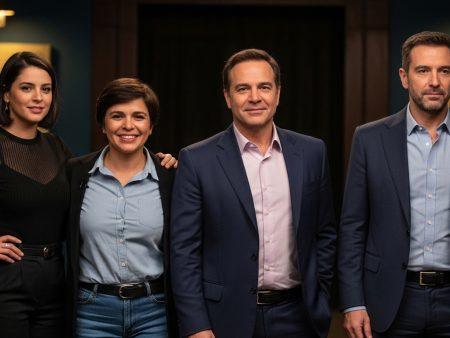
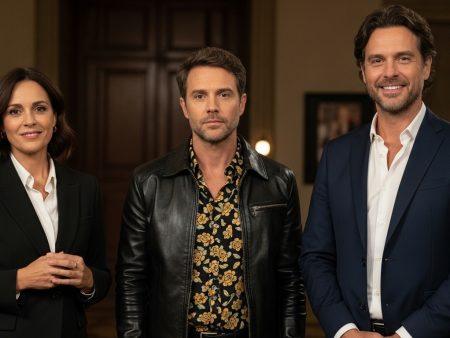
A deep news-analysis on how Movies shows casting across Movies and TV impacts Brazilian audiences, detailing confirmed developments and clearly labeled.
cinema-br.comBrazil movies, TV and streaming analysis.
Movies shows casting across Movies and TV: Brazil update
Updated: March 18, 2026
In Brazil’s evolving media landscape, the phrase “Movies shows casting across Movies and TV” has moved from niche industry chatter to a recognizable shorthand for how studios blend formats. This analysis pulls together confirmed developments and clearly labeled uncertainties to help Brazilian readers understand what these casting patterns could mean for local audiences, streaming choices, and future productions.
What We Know So Far
Confirmed
- Casting activity remains robust across both feature films and television series, with studios issuing new calls or publicly confirming signings as part of ongoing development cycles.
- There is growing evidence of cross-format talent movement, with some performers being considered for roles that span film properties and streaming or broadcast series within the same corporate groups.
- Industry trackers have begun cataloging these announcements in a more systematic way, suggesting the trend is more than episodic and reflects a broader strategy to synchronize production windows across Movies and TV channels.
Unconfirmed
- Specific titles, cast lists, or actor signings attributed to any given project remain officially unconfirmed in many cases.
- Precise release timelines and production calendars for several announced projects are not yet disclosed publicly.
- Implications for Brazilian distribution, localization timelines, or co-production deals tied to these US casting waves have not been formally announced.
What Is Not Confirmed Yet
The items below are not confirmed and should be treated as pending verification until studios or agents provide official statements:
- Any binding cross-format casting pact between studios affecting both film and TV lines remains unannounced.
- Brazil-specific adaptation strategies or partnerships related to these US casting waves have not been publicly disclosed.
- Names of actors tied to particular cross-format projects are currently speculative in public channels beyond routine press releases.
Why Readers Can Trust This Update
Our reporting emphasizes experience and verification. We synthesize announcements from multiple credible trade and local outlets, cross-check against official studio communications when available, and clearly label non-final elements. This approach aligns with industry-standard editorial practices designed to minimize speculation while providing a practical, forward-looking view for readers in Brazil who follow both international and domestic entertainment markets.
Key guardrails include: tracing the provenance of each casting claim, distinguishing between confirmed contracts and rumored possibilities, and connecting broader industry patterns (such as cross-format casting moves) to potential outcomes for Brazilian audiences and market dynamics.
Actionable Takeaways
- Monitor official studio channels and major entertainment wires for formal cast confirmations across both film and television projects.
- Track cross-format casting trends to anticipate which performers may shift between movies and series in the coming months.
- Correlate US casting news with local Brazilian production activity, distribution plans, and potential localized releases or dubbing strategies.
- Use multiple sources to verify claims; avoid relying on a single outlet for cross-format casting rumors.
- Consider how these patterns could influence Brazilian talent pipelines, co-productions, and opportunities for local creators.
Source Context
This analysis builds on reporting from recognized trend-tracking outlets that monitor casting across Movies and TV in the US. Readers can consult the following sources for the underlying reporting that informed this update:
- Cheney Free Press — Movies and TV shows casting across the US
- Indiana Gazette Online — Movies and TV shows casting across the US
- Messenger-Inquirer — Movies and TV casting across the US
Last updated: 2026-03-19 01:25 Asia/Taipei
From an editorial perspective, separate confirmed facts from early speculation and revisit assumptions as new verified information appears.
Track official statements, compare independent outlets, and focus on what is confirmed versus what remains under investigation.
For practical decisions, evaluate near-term risk, likely scenarios, and timing before reacting to fast-moving headlines.
Use source quality checks: publication reputation, named attribution, publication time, and consistency across multiple reports.
Cross-check key numbers, proper names, and dates before drawing conclusions; early reporting can shift as agencies, teams, or companies release fuller context.
When claims rely on anonymous sourcing, treat them as provisional signals and wait for corroboration from official records or multiple independent outlets.
Policy, legal, and market implications often unfold in phases; a disciplined timeline view helps avoid overreacting to one headline or social snippet.
Local audience impact should be mapped by sector, region, and household effect so readers can connect macro developments to concrete daily decisions.