The Impact of Variety Shows on Modern Television and Culture
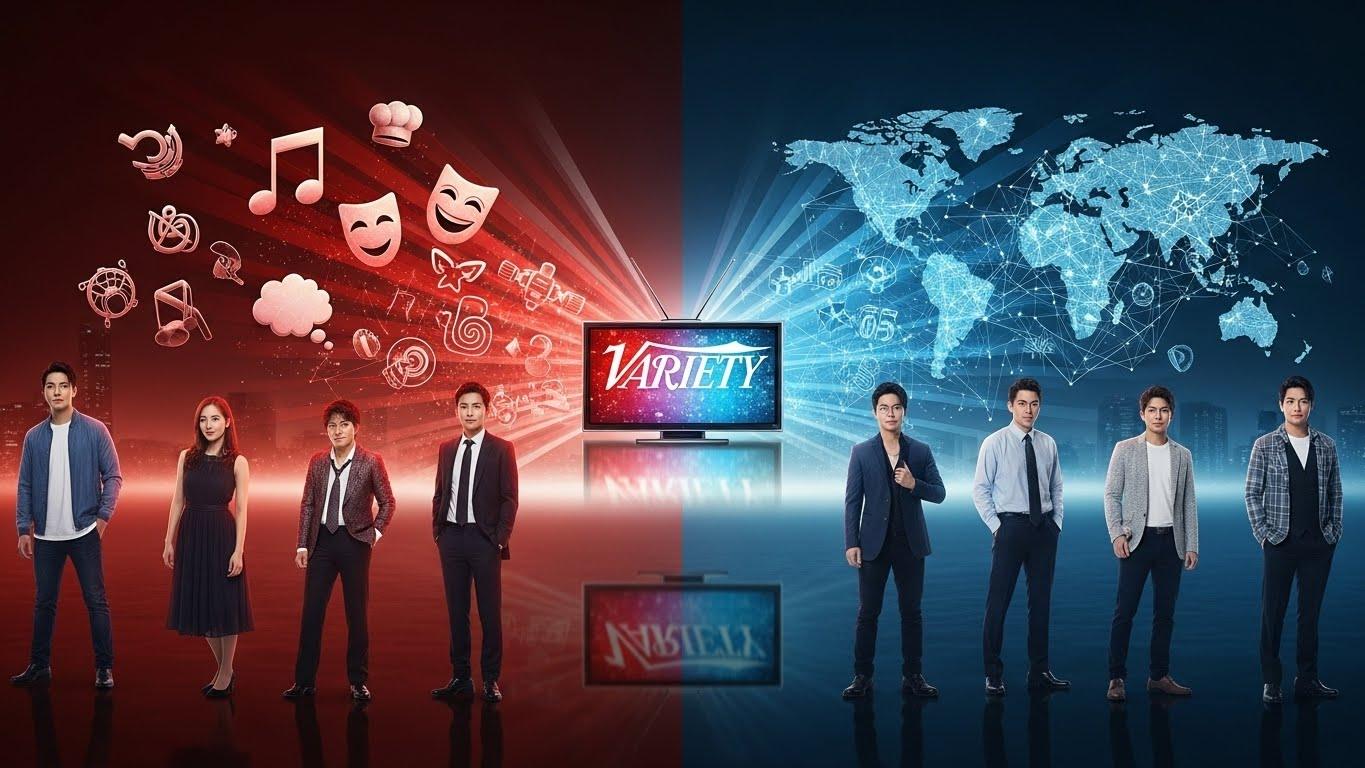
Variety shows have long been a staple in the television industry, captivating audiences with their unique blend of entertainment that includes music, comedy, dance, and more. These programs have not only shaped the landscape of modern television but have also left an indelible mark on global culture. In this blog post, we will explore the history of variety shows, their influence on contemporary TV formats, and their broader cultural impact.
The Origins of Variety Shows
The concept of variety shows dates back to the early days of entertainment, with roots in vaudeville and music halls. These live performances offered a mix of different acts designed to appeal to a broad audience. As vaudeville declined, radio and then television adopted the format, bringing variety shows into the homes of millions.
In the 1950s and 1960s, television variety shows such as “The Ed Sullivan Show” and “The Carol Burnett Show” became household names. They provided a platform for both established and emerging artists, showcasing everything from stand-up comedy to musical performances. These shows were not only entertainment; they were cultural events that brought families together around the TV set.
Variety Shows and Modern Television
Modern television owes much of its diversity and creativity to the variety show format. Today, we see its influence in numerous genres, from talent competitions to late-night talk shows. Programs like “America’s Got Talent” and “The Voice” have taken the concept of showcasing diverse talent and turned it into a global phenomenon. These shows continue to draw in massive audiences, proving the enduring appeal of the variety format.
Another major influence of variety shows on modern television is the incorporation of celebrity guests and musical performances. Late-night talk shows such as “The Tonight Show” and “The Late Late Show” often feature a mix of interviews, comedy sketches, and live music, echoing the structure of classic variety shows. The ability to pivot between different types of content keeps the format fresh and engaging, appealing to a wide range of viewers.

Cultural Impact of Variety Shows
Variety shows have played a significant role in shaping cultural narratives and trends. They have been instrumental in breaking down social barriers and promoting inclusivity. For example, “The Flip Wilson Show” was groundbreaking in its time for featuring an African-American host and addressing social issues through comedy and satire.
Furthermore, variety shows have been a critical platform for introducing international cultures to mainstream audiences. Shows like “Sabado Gigante” have brought Latin American culture to the forefront, celebrating its music, dance, and humor. This cross-cultural exchange has enriched the global cultural tapestry, fostering greater understanding and appreciation among diverse audiences.
The Evolution of Variety Shows in the Digital Age
The rise of digital platforms has transformed the way audiences engage with variety shows. Streaming services such as Netflix and YouTube have expanded the reach of these programs, allowing them to transcend geographical boundaries. Viewers can now access a wealth of variety content from around the world, at any time.
This shift has also led to the emergence of digital-first variety shows, which are tailored for online audiences. These shows often leverage social media to engage with viewers, creating interactive experiences that traditional television cannot offer. The digital landscape has also encouraged experimentation with new formats and styles, keeping the variety show genre dynamic and relevant.
Challenges and Opportunities
While variety shows continue to thrive, they also face challenges in an increasingly competitive media environment. The proliferation of content across multiple platforms means that variety shows must constantly innovate to capture and retain audience attention.
However, this competitive landscape also presents opportunities for growth. As more creators enter the space, there is potential for fresh perspectives and diverse voices to emerge. By embracing new technologies and platforms, variety shows can continue to evolve and resonate with younger, tech-savvy audiences.

The Future of Variety Shows
Looking ahead, the future of variety shows appears bright. As the entertainment industry continues to embrace diversity and inclusion, variety shows are well-positioned to lead the charge. Their inherent flexibility allows them to adapt to changing cultural and technological trends, ensuring their continued relevance.
Moreover, the global appeal of variety shows means they will likely remain a key component of international television. As new formats and innovations emerge, there is immense potential for variety shows to capture the imaginations of audiences worldwide, just as they have done for decades.
In conclusion, the impact of variety shows on modern television and culture is profound. From their historical roots to their influence on contemporary formats and cultural narratives, these shows have left a lasting legacy. As they continue to evolve in the digital age, variety shows will undoubtedly remain a vital part of the entertainment landscape, bringing joy and connection to audiences across the globe.
Variety Shows as a Reflection of Society
One of the most intriguing aspects of variety shows is their ability to mirror societal changes and attitudes. Over the years, these shows have tackled a wide range of topics, from political satire to social justice issues. This flexibility allows variety shows to remain relevant and reflective of the times, often becoming a platform for commentary and discussion.
For instance, during the 1960s and 1970s, variety shows were instrumental in addressing the cultural shifts occurring across the United States. Programs like “Rowan & Martin’s Laugh-In” used comedy to critique and highlight social and political issues, paving the way for future satire-driven shows such as “Saturday Night Live.” The success of these programs demonstrates the ability of variety shows to engage with and influence public discourse.
Global Influence and Adaptations
The popularity of variety shows is not confined to any one region; they are a global phenomenon. Many countries have developed their own versions of the variety show format, which are often tailored to reflect their unique cultural contexts and preferences. This adaptability has allowed variety shows to thrive in diverse markets around the world.

In the United Kingdom, for example, shows like “Ant & Dec’s Saturday Night Takeaway” have garnered substantial viewership by combining elements of traditional variety shows with modern twists. Similarly, in South Korea, variety shows such as “Running Man” and “Infinite Challenge” have become cultural staples, known for their innovative formats and influential reach. These programs not only entertain but also contribute to the global popularity of Korean pop culture, as detailed in resources like Korea.net.
The Role of Technology in Shaping Variety Shows
Technology has played a crucial role in transforming how variety shows are produced and consumed. High-definition cameras, advanced editing software, and special effects have enhanced the visual appeal of these programs, making them more engaging for viewers. Additionally, the integration of social media and interactive elements has allowed audiences to participate in real-time, creating a more immersive experience.
Virtual and augmented reality are also beginning to influence the variety show landscape. These technologies offer new possibilities for storytelling and audience engagement, as seen in some experimental formats. By embracing these technological advancements, variety shows can continue to push boundaries and offer novel experiences to their audiences.
Conclusion: The Enduring Legacy of Variety Shows
Variety shows have proven to be a resilient and adaptable genre, capable of evolving with the times while retaining their core appeal. Their impact on modern television and culture is undeniable, as they have shaped entertainment formats, driven cultural conversations, and bridged cultural divides. As technology continues to advance and audiences’ preferences evolve, variety shows are well-positioned to remain a pivotal force in the entertainment industry.
In the future, we can expect variety shows to continue embracing innovation and diversity, ensuring their place as a beloved form of entertainment for generations to come. Whether through traditional television or emerging digital platforms, the variety show format is set to captivate audiences worldwide, reflecting not only the changing face of entertainment but also the dynamic nature of global culture. For those interested in exploring more about the evolution of entertainment genres, PBS Pioneers of Television offers an insightful look into the history and impact of various TV genres, including variety shows.
Impact on Talent Discovery and Careers
Variety shows have long served as a launching pad for new talents and careers in the entertainment industry. By providing a platform for performers to showcase their skills, these shows have introduced audiences to countless artists who have gone on to achieve significant success. This aspect of talent discovery remains a vital component of the variety show format.
Many legendary performers got their start on variety shows. For example, Elvis Presley’s groundbreaking appearance on “The Ed Sullivan Show” is credited with catapulting him to stardom, marking a pivotal moment in music history. Similarly, comedians such as Jim Carrey and Steve Martin honed their craft on variety shows before achieving widespread fame. This tradition continues today, with shows like “The X Factor” and “Britain’s Got Talent” serving as springboards for artists seeking to make their mark on the global stage.
Variety Shows and Audience Engagement
One of the key strengths of variety shows is their ability to engage audiences through a mix of entertainment forms. By offering a diverse range of content—comedy, music, dance, and more—variety shows cater to different tastes and preferences, making them appealing to a broad audience. This diversity keeps viewers interested and invested in the show’s outcome.
Additionally, many modern variety shows actively encourage audience participation, whether through voting mechanisms, interactive segments, or social media engagement. This level of interactivity fosters a sense of community among viewers, turning the audience into active participants rather than passive spectators. This engagement is further highlighted in studies like those from Pew Research Center, which explore how digital interactivity is changing audience dynamics.
Variety Shows as Cultural Time Capsules
Variety shows also serve as cultural time capsules, capturing the essence of the era in which they were produced. By looking back at past programs, viewers can gain insights into the social norms, fashion trends, and cultural issues of the time. This historical perspective is valuable for both entertainment and educational purposes, offering a window into the past that helps contextualize present-day changes.
For instance, watching an episode of “The Ed Sullivan Show” from the 1960s not only provides entertainment but also offers a glimpse into the cultural climate of that decade, from the music and dance styles to the kinds of humor that resonated with audiences. This archival quality makes variety shows an important resource for historians and cultural scholars alike.
The Challenges of Keeping Variety Shows Relevant
Despite their many strengths, variety shows face challenges in staying relevant amidst rapidly changing media landscapes. With the rise of on-demand streaming services, audiences now have more options than ever before, making it crucial for variety shows to adapt in order to capture attention. This requires innovation and a willingness to experiment with new formats and technologies.
Furthermore, variety shows must continuously strive to reflect the diversity of modern society, ensuring that they are inclusive and representative of different cultures and perspectives. By doing so, they can maintain their appeal to a wide range of viewers, fostering a sense of inclusivity and connection.
The future of variety shows lies in their ability to balance tradition with innovation, honoring their rich history while embracing new opportunities. As they continue to evolve, variety shows will undoubtedly remain a cherished part of the entertainment landscape, delighting audiences with their unique blend of talent and creativity.
In conclusion, variety shows have left an indelible mark on both modern television and global culture. Their ability to entertain, engage, and reflect societal changes ensures they will continue to be a vital and beloved part of the entertainment ecosystem, adapting and thriving in the ever-evolving world of media.
About the Author