
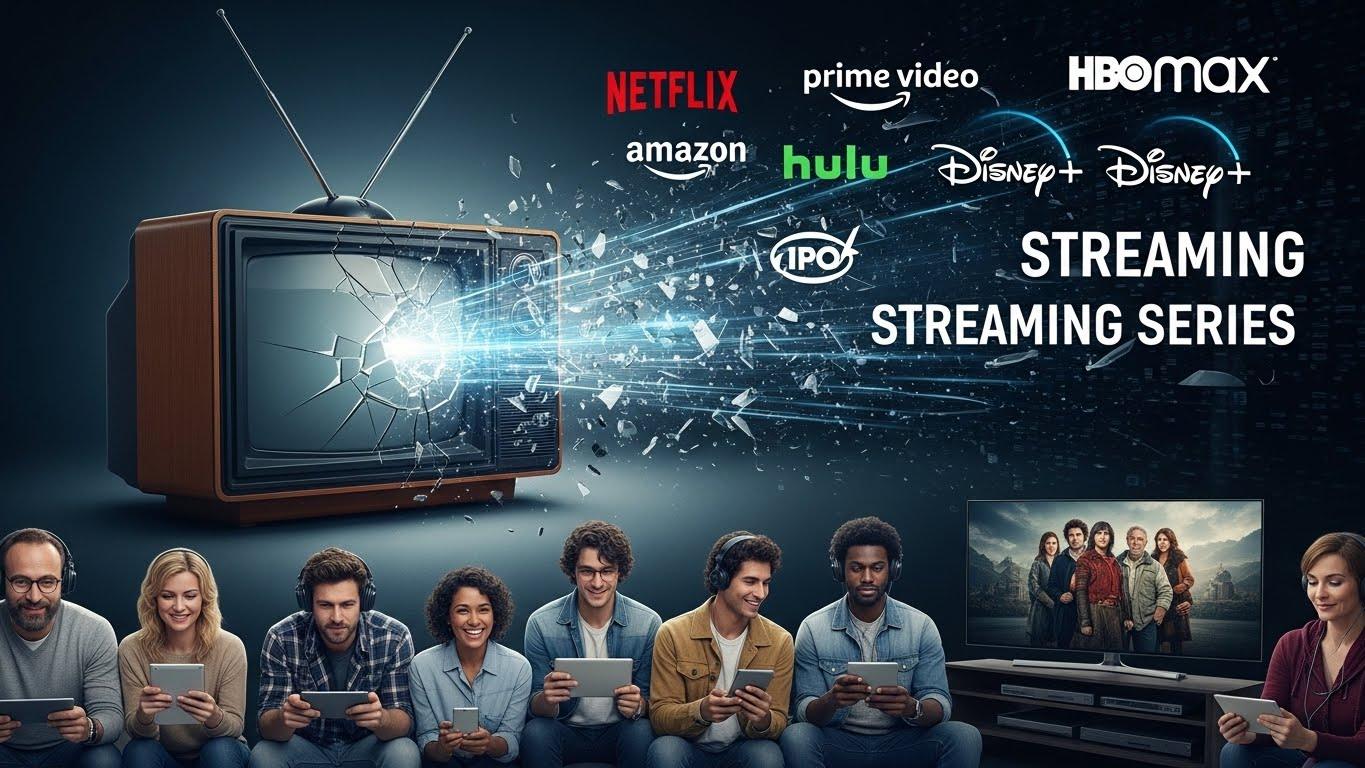
The Impact of Streaming Platforms on the Television Series Landscape
The television industry has undergone a seismic shift in recent years, driven in large part by the advent and rapid expansion of streaming platforms. This transformation has not only altered how audiences consume content but also how television series are produced, distributed, and monetized. As streaming services continue to proliferate and evolve, they leave an indelible mark on the television landscape, influencing everything from narrative styles to global viewership patterns.
The Rise of Streaming Platforms
The rise of streaming platforms can be traced back to the mid-2000s, with the advent of services like Netflix, which initially offered DVD rentals by mail. However, it was the introduction of streaming video in 2007 that marked a significant turning point. Since then, the landscape has been reshaped by major players such as Hulu, Amazon Prime Video, and Disney+, each vying for viewer attention with a mix of original and licensed content.
One of the key factors contributing to the rapid growth of streaming services is the changing viewing habits of audiences, who increasingly prefer on-demand content over traditional broadcast schedules. This shift has been further accelerated by advancements in technology, including faster internet speeds and the widespread availability of smart devices.
Content Creation and Production
Streaming platforms have had a profound impact on the content creation process for television series. Unlike traditional networks, which often adhere to strict seasonal schedules and episode counts, streaming services offer greater flexibility in terms of storytelling. This has led to the rise of serialized narratives and binge-worthy series that encourage viewers to consume multiple episodes in one sitting.

Moreover, streaming platforms have become a haven for unconventional and diverse storytelling. With fewer constraints on content, creators are free to explore niche genres, tackle controversial subjects, and experiment with new formats. This creative freedom has resulted in critically acclaimed series such as “Stranger Things,” “The Crown,” and “The Handmaid’s Tale,” which have pushed the boundaries of traditional television.
Global Reach and Audience Engagement
One of the most significant advantages of streaming platforms is their ability to reach a global audience. Unlike traditional television networks, which are often limited by geographical boundaries, streaming services can distribute content worldwide with relative ease. This global reach has opened up new markets for television series, allowing them to gain international followings and cultural relevance.
For instance, the Spanish series “La Casa de Papel” (Money Heist) became a global phenomenon after being picked up by Netflix, demonstrating the power of streaming platforms to elevate content beyond its country of origin. Moreover, this global accessibility has led to a greater exchange of cultural narratives, as audiences are exposed to stories from diverse backgrounds and perspectives.
In terms of audience engagement, streaming platforms have also introduced new ways for viewers to interact with content. Features such as personalized recommendations, social media integration, and user-generated ratings have created a more interactive and participatory viewing experience. This level of engagement was not possible with traditional television, where viewer interaction was largely limited to passive consumption.
Economic Implications and Industry Dynamics
The economic implications of streaming platforms on the television industry are profound. The traditional model of advertising-supported television has been challenged by subscription-based services, which rely on monthly fees rather than commercial revenue. This shift has prompted networks to rethink their business models and explore new revenue streams.

Moreover, the competition among streaming platforms has led to an arms race for content, with services investing heavily in original programming to attract and retain subscribers. According to a Variety report, Netflix alone spent over $15 billion on content in 2019. This increased investment has not only bolstered the quality and variety of television series but also driven up production costs across the industry.
The rise of streaming has also influenced the way television series are monetized. In addition to direct subscription revenues, platforms are exploring avenues such as merchandising, live events, and international licensing deals to maximize their return on investment. This diversification of revenue streams has become crucial in an increasingly competitive market.
The Future of Television in the Streaming Era
As streaming platforms continue to evolve, the future of television looks promising yet uncertain. On one hand, the continued expansion of streaming services is likely to result in even more diverse and innovative content, as creators are given the freedom to experiment without the constraints of traditional network television. On the other hand, the saturation of the market with multiple services may lead to consolidation, as smaller players struggle to compete with industry giants.
Another trend to watch is the integration of advanced technologies such as artificial intelligence and virtual reality into the streaming experience. These innovations have the potential to further enhance viewer engagement, offering personalized content recommendations and immersive storytelling experiences.
Ultimately, the impact of streaming platforms on the television series landscape is profound and far-reaching. While the traditional television model may never disappear entirely, it is clear that the future of the medium will be shaped by the innovations and disruptions brought about by streaming services. As audiences continue to embrace this new era of television, the industry must adapt and evolve to meet the changing needs and preferences of viewers worldwide.
Takeaways

The impact of streaming platforms on the television series landscape is undeniable. From reshaping content creation and production to redefining audience engagement and economic models, these services have transformed the way we consume television. As the industry continues to evolve in this digital age, it will be crucial for creators, networks, and platforms to adapt to the changing demands of a global audience.
While the future remains uncertain, one thing is clear: streaming platforms are here to stay, and their influence on the television series landscape will only continue to grow. As viewers, we can look forward to an exciting era of television that promises diversity, innovation, and unparalleled access to stories from around the world.
The Role of Data and Analytics
One of the most transformative aspects of streaming platforms is their ability to harness data and analytics to tailor content to viewer preferences. Unlike traditional broadcasters, which rely on broad demographic data and Nielsen ratings, streaming services collect detailed insights on viewer behavior, including viewing habits, preferences, and even the times of day when viewers are most active.
This data-driven approach allows streaming platforms to make informed decisions about the types of content to produce and promote. For example, Netflix famously uses its recommendation algorithm to suggest shows and movies based on individual user preferences, increasing viewer satisfaction and retention. This personalized approach not only enhances the user experience but also drives higher engagement rates.
Moreover, data analytics enable streaming platforms to experiment with content in ways that were previously impossible. By analyzing viewer reactions to pilot episodes or early seasons, platforms can determine whether to continue, modify, or cancel a series. This iterative approach to content development allows for more strategic decision-making and reduces the risks associated with producing new series.
Challenges and Criticisms
Despite the numerous advantages of streaming platforms, they are not without their challenges and criticisms. One of the primary concerns is the issue of content overload. With so many options available, viewers often experience decision fatigue, making it difficult to choose what to watch. This phenomenon can lead to viewer churn, as subscribers may feel overwhelmed by the sheer volume of content.
Another criticism of streaming platforms is their impact on the traditional television industry, particularly in terms of job security and labor practices. As streaming services prioritize efficiency and cost-cutting, there have been concerns about the pressure placed on writers, producers, and crew members to deliver high-quality content on tight schedules. This has led to calls for better labor protections and fair compensation in the industry.
Additionally, the reliance on algorithms and data-driven decisions has raised questions about the diversity of content. While streaming platforms have been praised for offering a wider range of stories, there is a risk that algorithms could reinforce existing biases, favoring mainstream content over niche or unconventional narratives. This could limit the exposure of underrepresented voices and perpetuate a homogenized viewing experience.
Cross-Platform Collaborations and Licensing
In response to the competitive nature of the streaming landscape, many platforms have begun exploring cross-platform collaborations and licensing agreements to expand their content offerings. These collaborations allow platforms to share resources, pool audiences, and increase their market reach.
For instance, HBO Max and Amazon Prime Video have engaged in licensing deals that allow popular HBO series to be available on both platforms. Such agreements benefit both parties by attracting subscribers who might be interested in specific shows but are not ready to commit to multiple subscriptions.
These partnerships also highlight the importance of strategic alliances in an industry where content is king. By collaborating with other platforms, streaming services can access a broader library of content, enhance their appeal to potential subscribers, and ultimately increase their competitiveness in the market.
The Evolution of Advertising Models
As the streaming industry evolves, so too do the advertising models that support it. While many platforms initially adopted ad-free subscription models, there is a growing trend towards incorporating advertising-supported tiers to offer more affordable options to consumers. This hybrid approach allows platforms to generate additional revenue while still catering to viewers who prefer an ad-free experience.
For example, Hulu offers both ad-supported and ad-free subscription plans, giving viewers the flexibility to choose based on their preferences and budget. This approach not only broadens the potential subscriber base but also provides advertisers with opportunities to reach engaged audiences in a digital environment.
Furthermore, the introduction of targeted advertising allows streaming platforms to deliver more relevant ads to viewers, based on their viewing habits and preferences. This personalized approach to advertising has the potential to enhance the effectiveness of ads and improve the overall viewer experience, as audiences are more likely to engage with content that resonates with their interests.
Conclusion: Embracing the Future of Television
The impact of streaming platforms on the television series landscape is multifaceted, encompassing everything from content creation and distribution to audience engagement and economic models. As these platforms continue to shape the future of television, it is essential for industry stakeholders to embrace the opportunities and address the challenges presented by this new era.
Ultimately, the success of streaming platforms will depend on their ability to adapt to changing viewer preferences, leverage data and technology, and foster a diverse and inclusive content ecosystem. As viewers, we can look forward to a more dynamic and personalized television experience, with access to a wealth of stories from around the globe.
As the streaming revolution progresses, it will be fascinating to see how the television series landscape continues to evolve, reflecting the diverse tastes and interests of audiences worldwide. In the meantime, the competition among streaming platforms will likely fuel further innovation and creativity, ensuring that the future of television remains an exciting and ever-changing landscape.
About the Author