
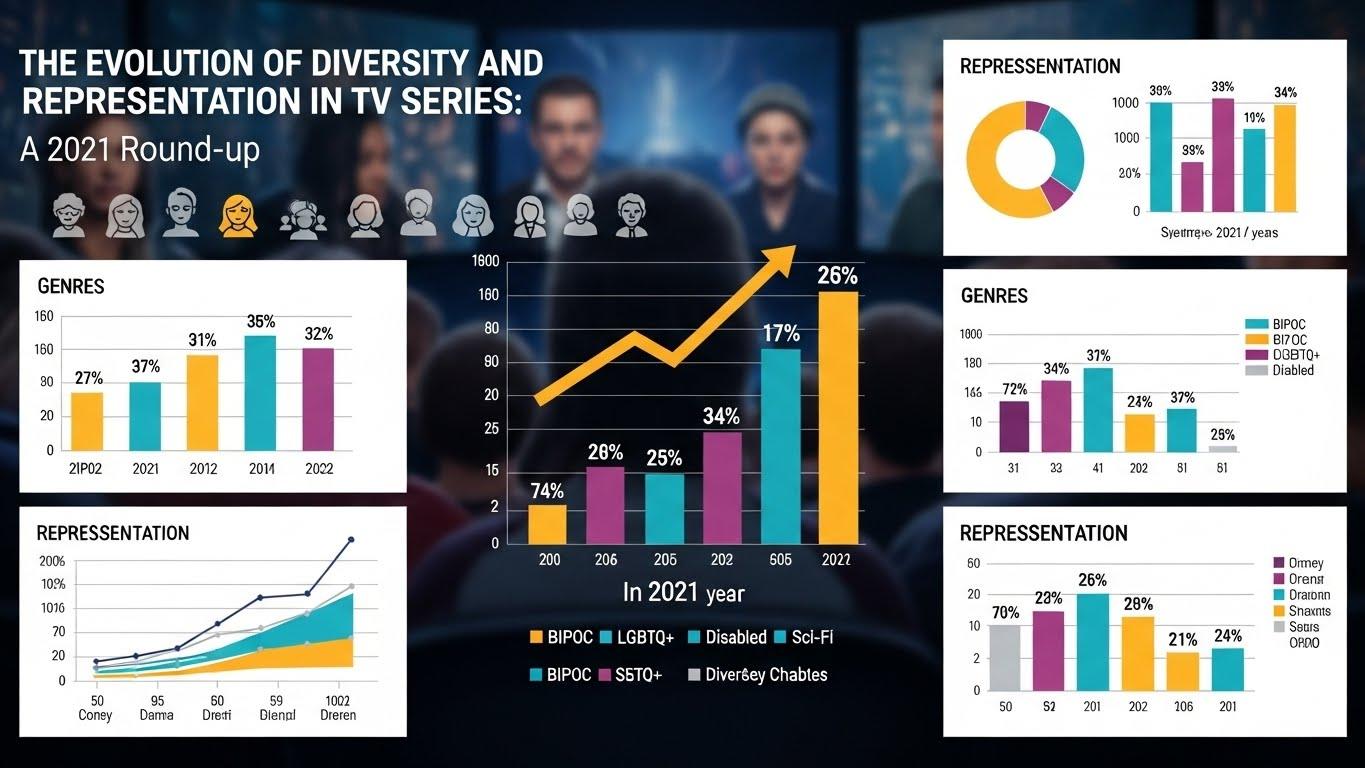
The Evolution of Diversity and Representation in TV Series: A 2021 Round-up
In recent years, the landscape of television has undergone significant transformations, particularly in terms of diversity and representation. As audiences have become more vocal about the need for inclusivity, creators and producers have started to respond with content that reflects a broader array of experiences and identities. This shift is not only a response to societal demands but also a recognition of the power of representation in shaping culture and perspectives. In this comprehensive round-up, we delve into the evolution of diversity and representation in TV series as of 2021, exploring the strides made, the challenges faced, and the impact on audiences.
The Historical Context of Representation in TV
The journey towards diverse representation in television has been a long and tumultuous one. Historically, TV series often showcased a narrow view of society, primarily focusing on white, cisgender, heterosexual characters. Minority groups were either underrepresented or depicted through stereotypes that reinforced negative perceptions. This lack of diversity not only alienated large segments of the audience but also perpetuated a limited worldview.
Over the decades, landmark shows began to challenge these norms. Series like The Cosby Show and Roots in the late 20th century were among the first to bring African American experiences to the forefront. Similarly, programs like Will & Grace and Ellen played pivotal roles in introducing LGBTQ+ narratives to mainstream audiences. Despite these strides, representation remained sporadic, and many groups continued to be marginalized or misrepresented.
Recent Trends in Diversity
The 21st century has ushered in a notable shift towards inclusivity, driven by a combination of social movements and the changing demographics of audiences. Streaming platforms, with their data-driven insights and global reach, have played a crucial role in this evolution. By recognizing the demand for diverse content, these platforms have taken significant steps to deliver stories that resonate with a wider audience.

In 2021, several TV series stood out for their commitment to diversity. Shows like Pose, which celebrates the ballroom culture of New York’s LGBTQ+ community, and Ramy, which explores the life of a first-generation Muslim American, have broken new ground. These series not only provide representation but also offer authentic narratives that challenge stereotypes and foster understanding.
Impact on Audience and Culture
The impact of diverse representation in TV series extends beyond mere entertainment. Several studies have highlighted the positive effects of diverse media on audiences, including increased empathy, cultural awareness, and acceptance of differences. When viewers see themselves reflected on screen, it can affirm their identities and experiences, contributing to a sense of belonging.
Moreover, inclusive storytelling has the power to challenge prejudices and provoke meaningful conversations. By presenting multifaceted characters and complex narratives, TV series can dismantle harmful stereotypes and promote a more nuanced understanding of diverse communities. This cultural shift is evident in the increasing popularity of international content, such as South Korean dramas and Spanish-language series, which bring diverse perspectives to a global audience.
Challenges and Criticisms
Despite the progress made, the journey towards true diversity and representation in TV remains fraught with challenges. One of the primary criticisms is the risk of tokenism, where diversity is used as a marketing tool rather than a genuine commitment to inclusivity. Critics argue that superficial representation, without depth or context, can be as damaging as no representation at all.

Additionally, the industry continues to grapple with issues of representation behind the camera. The need for diverse voices in writing rooms, directing roles, and production positions is crucial to ensure authenticity in storytelling. Organizations and initiatives dedicated to promoting diversity in media are working to address these disparities, but there is still a long way to go.
Case Studies: Successful Representation in 2021
Several TV series in 2021 have been lauded for their authentic and nuanced portrayal of diverse characters and stories. Bridgerton, a period drama produced by Shonda Rhimes, has been praised for its color-conscious casting, presenting a reimagined Regency-era London where people of color hold positions of power and influence.
Similarly, Never Have I Ever, created by Mindy Kaling, offers a refreshing take on the coming-of-age genre through the lens of an Indian American teenager. The series deftly navigates themes of identity, family, and belonging, resonating with audiences from diverse backgrounds.
Another noteworthy example is The Underground Railroad, an adaptation of Colson Whitehead’s Pulitzer Prize-winning novel. This series provides a harrowing yet poignant exploration of American history, highlighting the resilience and strength of enslaved individuals. Its critical acclaim underscores the importance of telling stories that have often been overlooked or marginalized.
Looking Ahead: The Future of Diversity in TV
The evolution of diversity and representation in TV series is an ongoing process, with many exciting developments on the horizon. As audiences continue to demand more authentic and inclusive content, creators and networks are likely to prioritize diversity as a central component of their storytelling.
The rise of technology and digital platforms offers unparalleled opportunities for underrepresented voices to share their stories with the world. From independent web series to international collaborations, the future of television promises a rich tapestry of narratives that reflect the complexities of the human experience.

Moreover, the industry is becoming increasingly aware of the need for accountability and transparency in its diversity efforts. Initiatives such as the Hollywood Diversity Report provide valuable insights into the state of representation and offer guidance for fostering inclusivity in all aspects of production.
Takeaways
The journey towards diversity and representation in TV series is far from complete, but the progress made in recent years is undeniable. As we reflect on the developments of 2021, it is evident that television has the power to shape societal attitudes and promote understanding across cultural divides.
By championing diverse voices and stories, the industry not only enriches the viewing experience but also contributes to a more inclusive and equitable world. As we look to the future, it is imperative that we continue to advocate for representation that is both meaningful and transformative, ensuring that television remains a powerful tool for change.
For more insights on the impact of diversity in media, explore the Pew Research Center’s findings or delve into the comprehensive analysis by the Brookings Institution.
Furthermore, fostering diversity in TV series is not only a creative imperative but also a business necessity. As the global market for television content continues to expand, there is a growing recognition that diverse and inclusive storytelling can attract a broader audience base and drive engagement across different demographics. This business perspective aligns with the increasing demand for representation and underscores the potential for diversity to enhance the industry’s bottom line.
In addition to traditional media, social media platforms and online communities have become powerful allies in the push for diversity. Fans and activists alike use these spaces to advocate for representation, hold creators accountable, and celebrate series that successfully portray diverse perspectives. The feedback and support from these communities play a significant role in shaping the direction of television content, encouraging networks and streaming services to prioritize inclusive narratives.
As we move forward, collaboration and partnership will be key to achieving lasting change in the industry. By working together, creators, producers, networks, and audiences can continue to challenge the status quo and create a television landscape that truly reflects the rich diversity of our world. This collaborative effort is crucial to ensuring that all individuals, regardless of their background, can see themselves represented and their stories told with authenticity and respect.
Ultimately, the evolution of diversity and representation in TV series is a testament to the power of storytelling to inspire change. By broadening the scope of narratives and amplifying underrepresented voices, the industry has the potential to not only entertain but also educate and empower. As we look to the future, let us remain committed to fostering a television environment that celebrates diversity in all its forms, paving the way for a more inclusive and equitable world.
As we consider the strides made in 2021, it is essential to acknowledge the role of advocacy groups and industry watchdogs in driving the conversation around diversity and inclusion. Organizations such as GLAAD and the NAACP have been instrumental in highlighting the gaps in representation and advocating for change. Their annual reports and awards shine a light on both the successes and shortcomings of the industry, providing valuable benchmarks for progress.
Moreover, educational initiatives and workshops aimed at emerging writers and creators from diverse backgrounds are gaining momentum. Programs like the Sundance Institute’s Labs and various mentorship schemes offer vital support and resources, equipping new voices with the tools needed to break into the industry and share their unique perspectives. These initiatives not only diversify the talent pool but also enrich the storytelling landscape with fresh, innovative ideas.
In addition to these efforts, the role of audiences cannot be understated. Viewers have become more discerning and vocal about the content they consume, often using their collective voice to champion shows that align with their values. Social media campaigns and fan movements have successfully influenced the renewal of diverse series, proving that audience engagement is a powerful force in shaping television programming.
As we look ahead, one of the emerging trends is the exploration of intersectionality in storytelling. Intersectionality acknowledges that individuals can belong to multiple marginalized groups simultaneously, and this layered identity often shapes their experiences. TV series that delve into intersectional narratives offer a more holistic view of diversity, portraying the complexities and nuances of characters’ lives. This approach not only enhances authenticity but also broadens the audience’s understanding of the multifaceted nature of identity.
Another promising development is the increasing collaboration between international creators, leading to cross-cultural productions that transcend geographic boundaries. These collaborations bring together diverse talent and allow for the exchange of ideas, resulting in content that resonates with global audiences. Shows like Lupin and Money Heist exemplify the success of international storytelling, demonstrating that diverse narratives have universal appeal.
In conclusion, the evolution of diversity and representation in TV series reflects a dynamic and ongoing journey. While challenges persist, the progress made in 2021 signifies a significant shift towards more inclusive and representative storytelling. By continuing to push for change and championing diverse voices, the television industry can inspire a new generation of creators and viewers alike, fostering a media landscape that truly reflects the diversity of the world we live in.
For those interested in further exploring the impact of diversity on television, consider reading the comprehensive analysis by the McKinsey & Company or explore the insights offered by the USC Annenberg Inclusion Initiative. These resources provide valuable perspectives on the ongoing efforts to create a more inclusive industry.
About the Author