

The Evolution of Cinema: How Technological Advancements Have Transformed the Movie Industry
The world of cinema has undergone a remarkable transformation since its inception in the late 19th century. From the grainy, silent films of the past to today’s blockbuster hits featuring stunning visual effects and immersive soundscapes, the evolution of technology in the movie industry has been nothing short of revolutionary. This blog post delves into the pivotal technological advancements that have reshaped cinema, exploring their impact on filmmaking and audience experiences.
The Silent Era: The Dawn of Motion Pictures
The journey of cinema began in the 1890s with the advent of motion pictures. Early films, known as silent films, relied heavily on visual storytelling, as synchronized sound was yet to be developed. Pioneers like the Lumière brothers and Georges Méliès were instrumental in crafting the first films, using simple cameras and projectors. Despite their limitations, these films captivated audiences and set the stage for future innovations.
During this era, filmmakers experimented with techniques such as stop-motion and time-lapse photography to create visual effects. Though rudimentary by today’s standards, these techniques laid the groundwork for the sophisticated visual effects we enjoy in modern cinema. The silent era also saw the rise of iconic figures like Charlie Chaplin and Buster Keaton, whose physical comedy transcended the need for dialogue.
The Introduction of Sound: Talkies Take Center Stage
The late 1920s marked a turning point in cinema with the introduction of synchronized sound, commonly referred to as “talkies.” The release of “The Jazz Singer” in 1927 was a landmark moment that showcased the potential of sound in film. Talkies quickly gained popularity, rendering silent films obsolete.
With sound, filmmakers could now incorporate dialogue, music, and sound effects, adding depth and emotion to their stories. This innovation led to the emergence of new genres, such as musicals and sound-driven comedies, and paved the way for more complex narratives. The ability to synchronize sound with visuals also enhanced the audience’s emotional connection to the characters and plot, forever changing the cinematic experience.
Color Film: Bringing Vibrancy to the Silver Screen
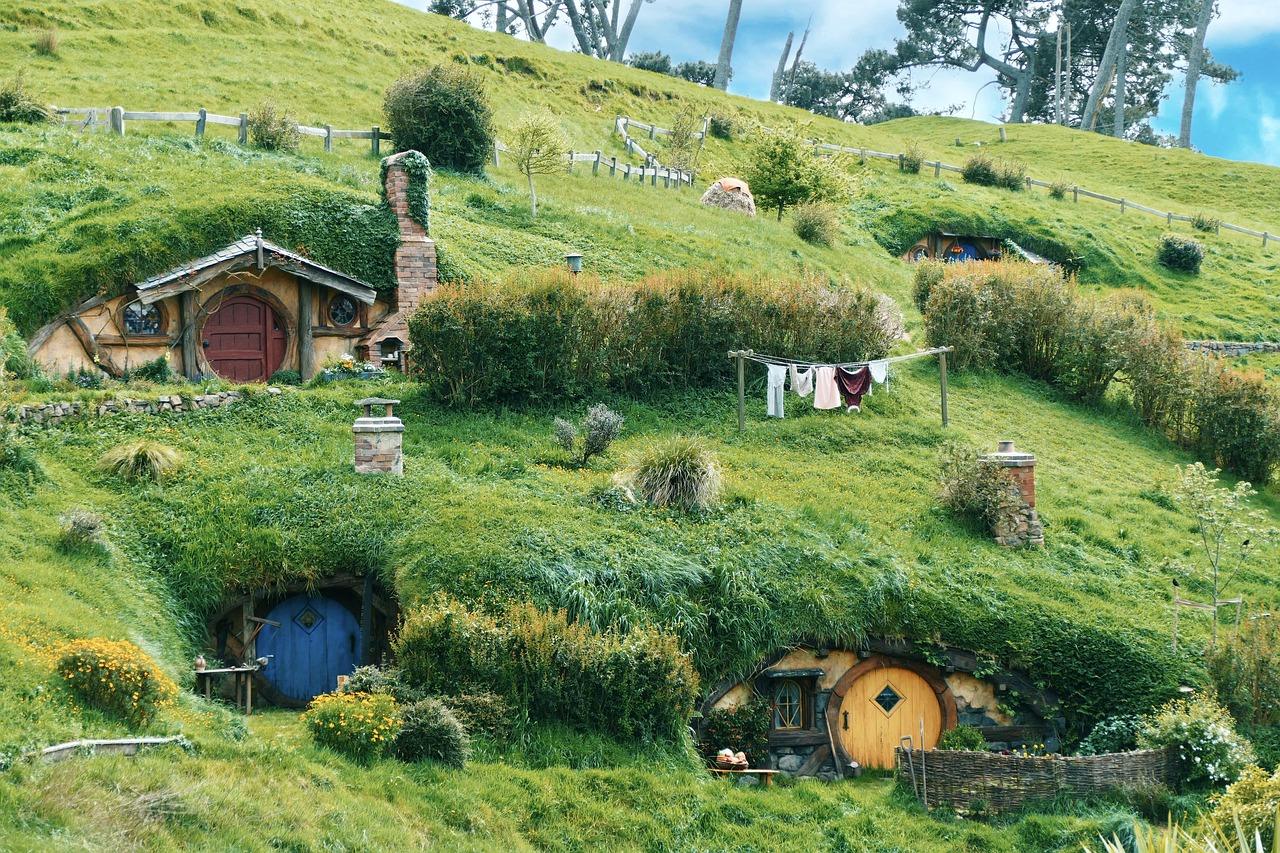
While early experiments with color film began in the early 20th century, it wasn’t until the 1930s that color became a viable option for mainstream cinema. The introduction of Technicolor, a revolutionary color process, allowed filmmakers to create vibrant and visually stunning films. Classics like “The Wizard of Oz” (1939) and “Gone with the Wind” (1939) showcased the power of color in storytelling.
Color film added a new dimension to cinema, enabling filmmakers to enhance mood, symbolism, and artistic expression. It also opened up opportunities for more visually driven genres, such as fantasy and animation. As color technology advanced, it became more affordable and accessible, eventually becoming the industry standard.
The Rise of Special Effects: A New Era of Imagination
The 1970s and 1980s saw a surge in the use of special effects, driven by technological innovations and the creative ambitions of filmmakers. Movies like “Star Wars” (1977) and “E.T. the Extra-Terrestrial” (1982) pushed the boundaries of what was possible on screen, captivating audiences with their imaginative worlds and groundbreaking effects.
Advancements in techniques such as blue screen, animatronics, and computer-generated imagery (CGI) revolutionized the way filmmakers approached visual storytelling. These innovations allowed for the creation of fantastical creatures, epic battles, and otherworldly landscapes that would have been impossible to achieve with practical effects alone. Special effects became an integral part of the cinematic experience, enhancing storytelling and immersing audiences in new worlds.
Digital Revolution: The Impact of CGI and VFX
The advent of digital technology in the 1990s marked a seismic shift in the movie industry. CGI and visual effects (VFX) became more sophisticated and accessible, enabling filmmakers to create stunning and realistic visuals. Films like “Jurassic Park” (1993) and “The Matrix” (1999) demonstrated the potential of digital effects, blending live-action with CGI to create seamless and visually impressive narratives.

Digital technology also transformed the post-production process, allowing for greater flexibility and efficiency in editing, color correction, and sound design. As CGI and VFX technology advanced, filmmakers could push the boundaries of storytelling, creating visually complex and ambitious projects that captivated audiences worldwide.
The Era of Streaming: Redefining Distribution and Consumption
The rise of the internet and digital streaming platforms in the 21st century has fundamentally altered the way movies are distributed and consumed. Platforms like Netflix, Amazon Prime Video, and Disney+ have disrupted traditional distribution models, offering audiences instant access to a vast library of films and TV shows.
This shift has democratized access to cinema, allowing independent filmmakers to reach global audiences without the need for traditional theatrical releases. Streaming platforms have also spurred the production of original content, leading to a diverse range of films and series that cater to varied tastes and preferences.
While streaming has expanded access to cinema, it has also raised questions about the future of traditional theaters. The convenience of watching movies at home has led to a decline in theater attendance, prompting the industry to explore new ways to attract audiences, such as immersive experiences and premium formats.
Virtual Reality and Beyond: The Future of Cinema
As technology continues to evolve, the future of cinema holds exciting possibilities. Virtual reality (VR) and augmented reality (AR) are emerging as new frontiers in storytelling, offering immersive and interactive experiences that blur the line between film and reality. Filmmakers are experimenting with VR to create interactive narratives that engage viewers in unprecedented ways.
Additionally, advancements in artificial intelligence (AI) and machine learning are poised to revolutionize various aspects of filmmaking, from scriptwriting to visual effects. AI can analyze audience preferences, predict trends, and even assist in creating realistic digital characters, opening up new possibilities for creativity and innovation.
Conclusion: A Transformative Journey
The evolution of cinema has been a journey of continuous innovation, driven by the relentless pursuit of creativity and technological advancement. From the silent era to the digital age, each new development has reshaped the way stories are told and experienced on the silver screen. As we look to the future, the possibilities for cinema are boundless, promising even more transformative experiences that will captivate audiences for generations to come.

In this ever-changing landscape, one thing remains constant: the magic of cinema lies in its ability to transport us to new worlds, evoke powerful emotions, and connect us through shared stories. As technology continues to evolve, it will undoubtedly unlock new dimensions of storytelling, ensuring that the evolution of cinema is an ongoing and exciting journey.
The Role of Artificial Intelligence in Filmmaking
Artificial intelligence (AI) is becoming an increasingly integral part of the filmmaking process, offering tools that enhance creativity and streamline production. AI can assist in various phases of film production, from pre-production to post-production. For instance, AI algorithms can analyze scripts and provide insights on pacing, dialogue, and character development, helping writers refine their stories.
In the realm of visual effects, AI has the potential to revolutionize how CGI is created. Machine learning techniques can generate realistic textures and animations more efficiently than traditional methods. This not only saves time but also reduces costs, making high-quality visual effects accessible to filmmakers with limited budgets.
AI is also making strides in enhancing audience engagement. Personalized content recommendations, driven by AI, allow streaming platforms to suggest films and series based on viewers’ preferences, increasing viewer satisfaction and retention. This personalized approach extends to marketing strategies, where AI analyzes audience data to tailor promotional campaigns, ensuring that films reach their target demographics effectively.
Interactive Storytelling: A New Narrative Form
Interactive storytelling is gaining traction as a novel way to engage audiences, offering them a more active role in the narrative. This approach allows viewers to influence the storyline through choices made during the viewing experience, creating a personalized and immersive journey. Interactive films and series, such as Netflix’s “Black Mirror: Bandersnatch,” have showcased the potential of this format, blending traditional storytelling with video game mechanics.
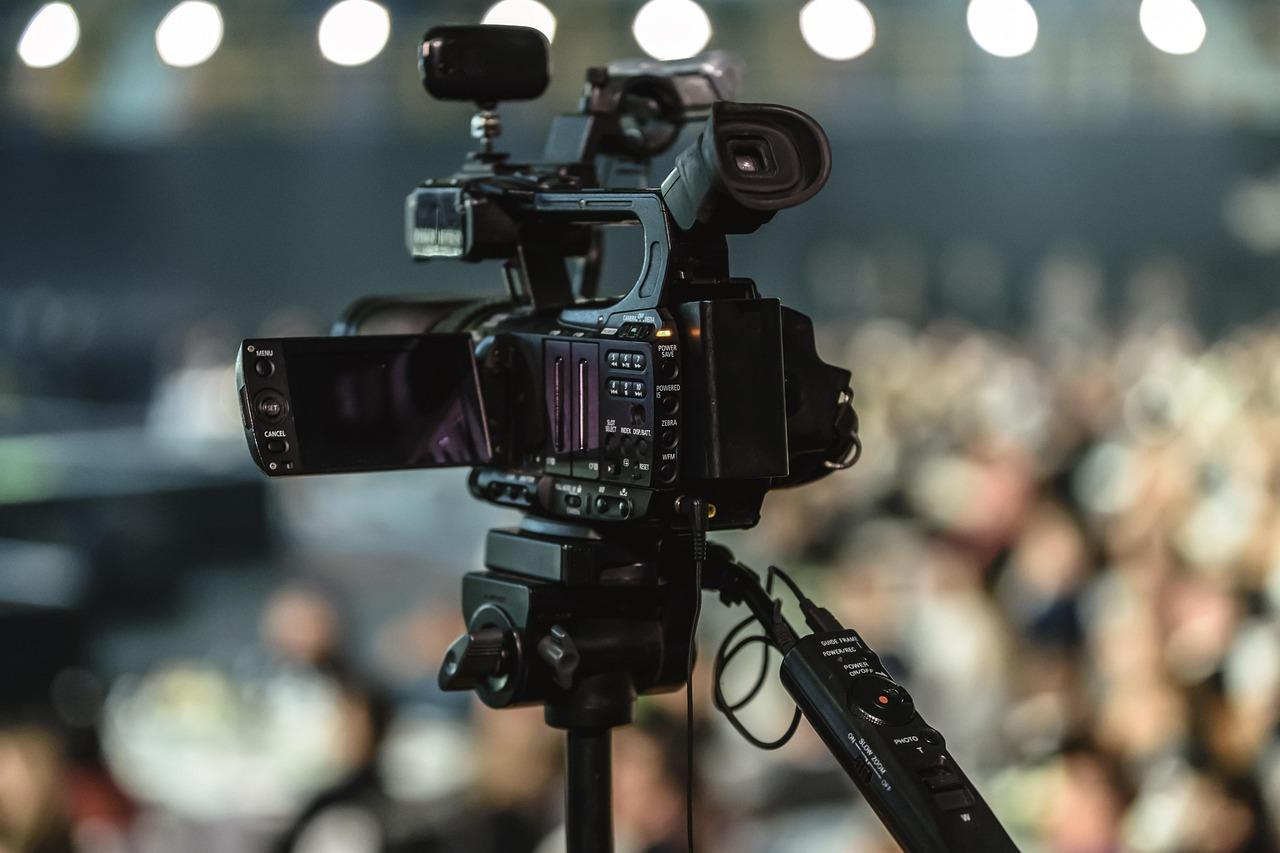
As technology advances, interactive storytelling is likely to become more sophisticated, with branching narratives that offer numerous possible outcomes. This format challenges filmmakers to think creatively about narrative structure and character development, as each choice can lead to a different story arc. As interactive elements become more prevalent, they may redefine the relationship between filmmakers and audiences, fostering a more collaborative storytelling process.
Environmental Considerations in Modern Filmmaking
As the global focus on sustainability intensifies, the film industry is also taking steps to reduce its environmental impact. Production companies are adopting green practices, such as using energy-efficient lighting, reducing waste on set, and opting for digital distribution to minimize the carbon footprint associated with physical media.
Digital technology plays a crucial role in these efforts, enabling virtual production techniques that reduce the need for extensive on-location shoots. This not only lowers costs but also minimizes the environmental impact of transporting cast and crew. Additionally, virtual sets and digital backgrounds can replicate various environments without the need for physical construction, further reducing resource consumption.
The industry’s commitment to sustainability is reflected in initiatives like the Green Production Guide, which provides resources and best practices for eco-friendly filmmaking. As awareness of environmental issues grows, the industry is likely to continue exploring innovative ways to produce films responsibly, balancing creativity with sustainability.
The Globalization of Cinema: Cross-Cultural Influences
In today’s interconnected world, cinema is increasingly becoming a global medium, with films transcending cultural and linguistic barriers. The rise of international co-productions and the global reach of streaming platforms have facilitated the exchange of diverse stories and perspectives, enriching the cinematic landscape.
This globalization of cinema has led to the emergence of new markets and audiences, as well as a greater appreciation for non-Western films. Festivals like the Cannes Film Festival and the Toronto International Film Festival showcase a wide range of international films, promoting cross-cultural understanding and collaboration.

Moreover, filmmakers are increasingly drawing inspiration from global cultures, incorporating diverse themes and styles into their work. This cross-pollination of ideas is fostering a more inclusive and representative film industry, where stories from different parts of the world can resonate with audiences everywhere.
The Role of Education and Training in Film Technology
As technology continues to evolve, education and training in film technology are becoming essential for aspiring filmmakers. Film schools and universities are integrating courses on digital filmmaking, CGI, and VFX into their curricula, equipping students with the skills needed to navigate the modern film industry.
Workshops and online courses offer additional opportunities for filmmakers to learn about the latest technologies and techniques. These programs often focus on practical, hands-on training, allowing participants to experiment with new tools and concepts. By staying informed about technological advancements, filmmakers can leverage these innovations to enhance their creative vision and storytelling capabilities.
Mentorship programs and industry partnerships also play a crucial role in bridging the gap between education and professional practice. By collaborating with industry experts, educational institutions can provide valuable insights and experiences that prepare students for successful careers in the film industry.
Conclusion: Embracing the Future of Cinema
As we look to the future, the evolution of cinema is poised to continue at an unprecedented pace. Technological advancements will undoubtedly play a central role in shaping the way films are made, distributed, and experienced. From the integration of AI and interactive storytelling to the globalization of cinema and the focus on sustainability, the industry is undergoing a dynamic transformation.
While the tools and techniques of filmmaking may change, the essence of cinema—its ability to tell compelling stories that resonate with audiences—remains steadfast. As filmmakers embrace new technologies and explore innovative storytelling methods, they will continue to push the boundaries of creativity, ensuring that cinema remains a vital and influential art form in the years to come.
The evolution of cinema is a testament to the industry’s resilience and adaptability, reflecting the ever-changing landscape of technology and culture. As we embark on this exciting journey, one thing is certain: the magic of cinema will continue to captivate and inspire audiences around the world.
About the Author