
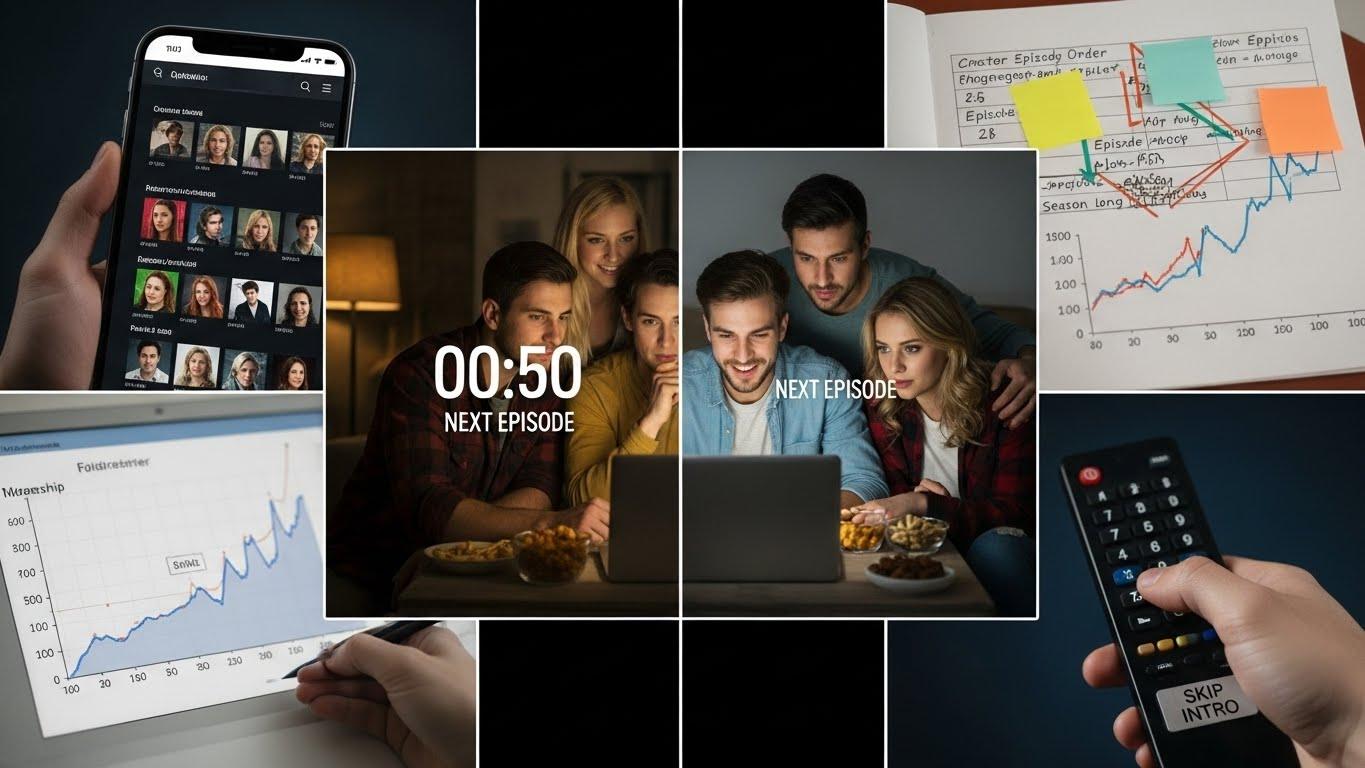
How TV Series are Adapting to the Era of Binge-Watching
The traditional landscape of television has undergone a seismic shift with the advent of streaming platforms, ushering in the era of binge-watching. This new viewing paradigm has not only changed how audiences consume content but has also significantly influenced how TV series are developed, presented, and marketed. In this article, we explore how TV series are adapting to this new era, examining the impact on storytelling, production, and audience engagement.
The Rise of Streaming Platforms
The proliferation of streaming platforms like Netflix, Amazon Prime Video, and Hulu has been a catalyst for the binge-watching trend. Unlike traditional television, which aired episodes weekly, these platforms often release entire seasons at once. This model encourages viewers to watch multiple episodes in one sitting, fundamentally changing how audiences interact with TV series.
Streaming platforms have also democratized content accessibility. Viewers can watch their favorite shows anytime, anywhere, and on any device. This flexibility has contributed to the growing popularity of binge-watching, allowing people to consume content at their own pace. The Nielsen Total Audience Report highlights the significant increase in streaming service usage, illustrating the shift in viewer habits.
Changes in Storytelling and Structure
The binge-watching model has led to notable changes in how stories are told in TV series. Unlike traditional episodic storytelling, which relies on cliffhangers and self-contained episodes, binge-worthy content often features more complex narratives that unfold over an entire season. This allows for deeper character development and more intricate plotlines, as writers no longer need to remind viewers of past events since they can watch episodes back-to-back.

TV series like “Stranger Things” and “The Witcher” exemplify this trend, with narratives designed to keep viewers hooked for hours. The ability to tell a story over multiple episodes without interruption has given creators the freedom to craft more nuanced and layered stories. This shift has also led to an increased emphasis on visual storytelling techniques, as creators seek to immerse viewers in their worlds fully.
Impact on Production and Release Strategies
Binge-watching has also influenced how TV series are produced and released. The traditional pilot season model, where networks produce numerous pilots and choose a few for a full season, is being replaced by a more streamlined approach. Streaming platforms often greenlight entire seasons from the outset, allowing for a more cohesive and planned narrative structure.
This approach has led to a more ambitious production scale, as creators have the assurance of a full season to develop their stories. Additionally, the global reach of streaming platforms has influenced content diversity, with shows like “Money Heist” and “Dark” gaining international acclaim. These series are examples of how the industry is embracing global narratives to attract a wider audience.
Marketing in the Binge-Watching Era
The marketing strategies for TV series have also evolved to cater to binge-watching audiences. With entire seasons available at once, the window for generating buzz is shorter, prompting more intensive and creative marketing campaigns. Social media plays a crucial role in this, with platforms like Twitter and Instagram being used to engage audiences directly and create anticipation.

Moreover, streaming services often employ data analytics to tailor marketing efforts, ensuring that promotional content reaches the most relevant audiences. This targeted approach helps in maximizing viewer engagement and retention. For instance, Netflix’s recommendation algorithm is a powerful tool in promoting new series by suggesting them to users who have shown an interest in similar content.
Audience Engagement and Feedback
Binge-watching has transformed how audiences engage with TV series. The ability to watch entire seasons at once fosters a more immersive experience, often leading to stronger emotional connections with the content. This has led to the rise of online communities and fan theories, where viewers discuss and dissect every aspect of their favorite shows.
Streaming platforms have capitalized on this by encouraging viewer feedback and integrating it into future content strategies. This direct line of communication between creators and audiences allows for a more responsive and dynamic creation process, where fan preferences can shape the direction of a series. The success of shows like “The Mandalorian” demonstrates the power of leveraging fan engagement to enhance storytelling and expand universe narratives.
Challenges and Considerations
While the era of binge-watching presents numerous opportunities, it also poses significant challenges. The pressure to maintain high-quality content and meet the demands of an ever-growing audience can strain production resources. Additionally, the sheer volume of content available on streaming platforms means that series must compete fiercely for viewer attention.
This saturation can lead to shorter lifespans for TV series, with shows being canceled if they do not attract sufficient viewership quickly. The emphasis on immediate success can stifle creative risks, as networks may favor formulaic content over innovative storytelling. Nevertheless, the industry’s continued evolution suggests a future where viewer preferences will play an increasingly pivotal role in shaping TV series.

Takeaways
The era of binge-watching has irrevocably altered the television landscape, pushing TV series to adapt in innovative ways. From changes in storytelling and production to novel marketing strategies and audience engagement, creators are embracing new paradigms to capture and retain viewer interest. As the industry continues to evolve, it will be fascinating to observe how TV series further adapt to meet the challenges and opportunities of this dynamic and ever-changing environment.
The adaptability of TV series in response to the binge-watching trend is a testament to the resilience and creativity of the entertainment industry. By leveraging technology, data-driven insights, and audience feedback, creators can craft compelling narratives that resonate with viewers worldwide. As audiences continue to embrace new ways of consuming content, the future of TV series promises to be as engaging and diverse as ever.
The Future of TV Series in a Binge-Watching World
As we look toward the future, the landscape of TV series in the binge-watching era will likely continue to evolve with technological advancements and shifting viewer preferences. One of the most significant factors driving this evolution is the integration of emerging technologies such as virtual reality (VR) and augmented reality (AR). These technologies offer the potential to create immersive viewing experiences that can redefine how audiences engage with TV series.
Imagine a world where viewers can step into their favorite shows, exploring the settings and interacting with characters in a virtual environment. This level of immersion can deepen emotional connections and provide audiences with unique opportunities to experience narratives from multiple perspectives. Companies are already experimenting with these technologies, suggesting a future where narrative VR experiences become an integral part of TV series.
Incorporating Interactive Storytelling
Another exciting development is the rise of interactive storytelling, where viewers can influence the direction of a series by making choices that affect the narrative outcome. This format, made popular by Netflix’s “Black Mirror: Bandersnatch,” offers a personalized viewing experience, allowing audiences to become active participants in the story. This approach not only enhances viewer engagement but also opens new avenues for creative storytelling.
Interactive storytelling can cater to diverse audience preferences and offer multiple storylines within a single series. However, it also presents challenges in terms of production complexity and narrative coherence. As creators experiment with this format, the potential for innovation and creativity in TV series is boundless, paving the way for groundbreaking content that captivates audiences in unprecedented ways.
Global Collaboration and Cultural Exchange
The binge-watching era has also facilitated greater global collaboration and cultural exchange in the television industry. As streaming platforms expand their reach worldwide, there is a growing demand for content that reflects diverse cultures and experiences. This trend has led to an increase in co-productions and cross-cultural storytelling, where creators from different backgrounds collaborate to produce content that resonates with a global audience.
Shows like “Lupin” and “Squid Game” illustrate the power of cultural representation and the universal appeal of well-crafted stories. These series have captured the imagination of viewers worldwide, highlighting the importance of diversity and inclusivity in the content creation process. As international collaborations become more commonplace, the future of TV series promises to be more diverse, inclusive, and representative of a wide range of voices and perspectives.
The Role of Data and Analytics
In the binge-watching era, data and analytics play a crucial role in shaping content strategies and meeting viewer expectations. Streaming platforms have access to vast amounts of data on viewer habits, preferences, and behaviors, enabling them to tailor content recommendations and marketing efforts effectively. This data-driven approach allows platforms to identify trends, anticipate audience needs, and develop content that aligns with viewer interests.
For creators, access to detailed analytics provides valuable insights into audience engagement, helping them refine their storytelling techniques and optimize content for maximum impact. As data analytics continue to advance, TV series will become increasingly targeted and personalized, offering viewers a more relevant and satisfying viewing experience.
Conclusion: Embracing Change and Innovation
The era of binge-watching has ushered in a new chapter in the history of television, challenging creators to rethink traditional models and embrace innovation. As the industry navigates this dynamic landscape, the ability to adapt and experiment with new technologies, storytelling formats, and global collaborations will be key to success.
The future of TV series in the binge-watching world is bright, with endless possibilities for creativity and audience engagement. By embracing change and leveraging the power of technology, creators can craft compelling narratives that resonate with viewers across the globe. As we continue to explore new frontiers in storytelling, one thing is certain: the art of television is poised to transform in ways we can only begin to imagine.
About the Author