
Behind the Scenes: How Variety Shows are Produced and Directed
Variety shows have long been a staple of entertainment, captivating audiences with their eclectic mix of music, comedy, and unique performances. The magic of these shows lies not just in what is seen on stage, but in the meticulous planning and execution that happens behind the scenes. This blog post delves into the fascinating world of variety show production and direction, exploring the intricate processes that bring these vibrant spectacles to life.
The Conceptualization Phase
Every successful variety show begins with a strong concept. Producers and directors brainstorm ideas that will resonate with audiences, ensuring that each episode offers something fresh and exciting. This phase involves analyzing trends, understanding audience preferences, and sometimes even exploring cultural influences that might shape the content. The aim is to create a theme that is both engaging and flexible enough to accommodate a range of acts.
Planning and Pre-Production
Once the concept is finalized, the planning and pre-production phase begins. This stage is crucial as it sets the foundation for the entire show. The production team, led by the producer, coordinates logistics, including budgeting, scheduling, and resource allocation. A detailed script is crafted, outlining the flow of the show, transitions, and cues for technical teams.
One of the key components of pre-production is casting. Directors and producers work together to select a diverse array of performers that align with the show’s theme. This can include musicians, comedians, dancers, and specialty acts. Each act is carefully vetted to ensure quality and compatibility with the overall vision of the show.

Set Design and Technical Setup
The visual appeal of a variety show is largely dependent on its set design. Designers collaborate with directors to create sets that enhance the theme and provide a dynamic backdrop for performances. This involves selecting props, backdrops, and lighting schemes that not only look appealing on camera but also accommodate the technical requirements of each act.
Technical setup is another vital aspect. This includes configuring lighting, sound, and audio-visual equipment to ensure seamless execution during the live show. Technicians conduct multiple rehearsals to test equipment and make necessary adjustments, minimizing the risk of technical glitches during the actual performance.
Rehearsals and Coordination
Rehearsals are an indispensable part of variety show production. They allow performers to practice their acts and familiarize themselves with the stage setup. Directors play a key role during rehearsals, offering feedback and guiding performers to align their acts with the show’s pacing and energy. This is also the time when transitions between acts are fine-tuned to maintain a smooth flow.
Coordination is critical, as variety shows often involve complex staging and quick changes. Stage managers and assistants work tirelessly behind the scenes to ensure that each act transitions smoothly. They manage cues, handle props, and oversee the timing of each segment to maintain the momentum of the show.
Live Performance and Direction
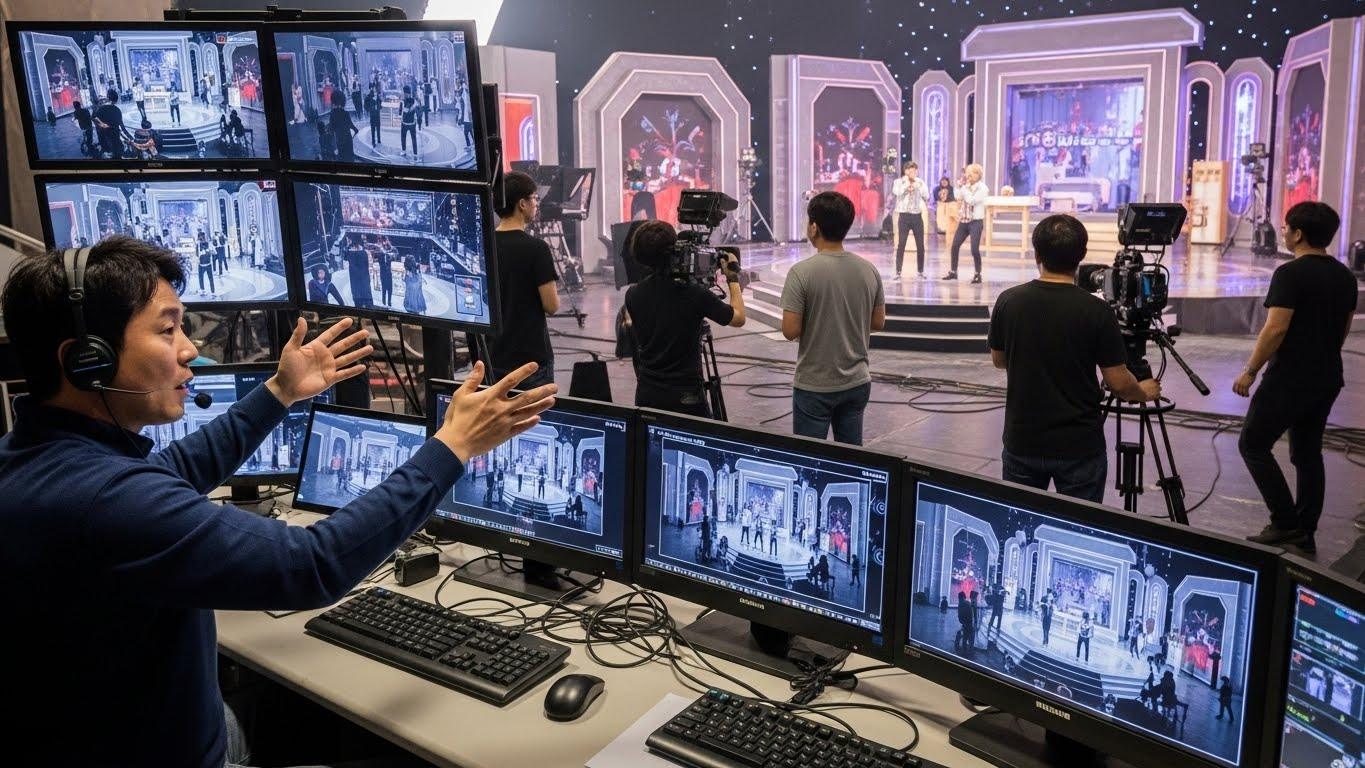
The live performance is the culmination of weeks or months of preparation. Directors, often from a control room, oversee the show in real-time, making split-second decisions to address any unforeseen issues. They communicate with camera operators, technical teams, and stage managers to ensure that every element aligns perfectly.
During the live show, directors focus on capturing the best moments on camera. This involves selecting camera angles, directing cuts, and enhancing the visual storytelling of the performance. Their expertise in live direction is crucial in maintaining the show’s energy and keeping the audience engaged.
Post-Production and Feedback
Once the live performance concludes, the post-production phase begins. Editors work to refine footage, adding enhancements like graphics, special effects, and sound adjustments to create a polished final product. This stage is particularly important for recorded variety shows, which may be broadcast or distributed via digital platforms.
After the show, feedback is gathered from audiences, performers, and the production team. This feedback is invaluable for producers and directors, helping them understand what worked well and what can be improved in future episodes. Continuous learning and adaptation are key to sustaining the success of variety shows.
Conclusion: The Art and Science of Variety Show Production
The production and direction of variety shows are a complex blend of art and science. From conceptualization to post-production, each phase requires meticulous planning, creative vision, and technical expertise. The dedication and collaboration of producers, directors, performers, and crew members are what ultimately bring these captivating shows to life.

Whether it’s a live broadcast or a recorded episode, the magic of variety shows lies in their ability to entertain and surprise audiences with a diverse mix of performances. As viewers, we often marvel at the seamless execution of these shows, but it’s the behind-the-scenes efforts that truly make them a success. For those interested in exploring more about the intricacies of live entertainment, there are excellent resources available, such as encyclopedic entries on television production and in-depth articles on directing techniques.
In the ever-evolving world of entertainment, variety shows continue to hold a unique place, offering a platform for diverse talents and creative storytelling. As producers and directors innovate and adapt to changing audience tastes, the future of variety shows looks as vibrant and dynamic as ever.
The Role of Technology in Modern Variety Shows
Technology has transformed the way variety shows are produced and directed, offering new possibilities for creativity and audience engagement. Advanced cameras and editing software allow directors to experiment with visual effects and dynamic transitions that enhance the storytelling aspect of the show. For instance, the use of digital technologies in set design and animation can create immersive environments that captivate viewers.
Moreover, the integration of social media and digital platforms has expanded the reach of variety shows, allowing for real-time interaction with audiences. Producers actively monitor social media to gauge audience reactions and incorporate feedback, creating a more interactive and engaging viewing experience. Live streaming has also become a popular trend, enabling audiences from around the world to participate in the excitement of live variety performances.
Challenges in Variety Show Production
Despite the advancements in technology and production techniques, creating a successful variety show comes with its own set of challenges. One of the primary challenges is maintaining originality and freshness in each episode. With audiences having access to a plethora of entertainment options, producers must continuously innovate to hold their attention.
Budget constraints can also impact the scope of a variety show. High-quality production values often require significant investments in talent, technology, and marketing. Producers must balance these financial considerations with creative ambitions, sometimes making tough decisions on what elements to prioritize.
Time management is another critical challenge. The fast-paced nature of variety shows means that producers and directors often work under tight deadlines to coordinate rehearsals, technical setups, and live broadcasts. Ensuring that everything runs smoothly and on schedule requires exceptional organizational skills and teamwork.
Future Trends in Variety Shows
The future of variety shows looks promising, with emerging trends pointing towards even more interactive and immersive experiences. Virtual reality (VR) and augmented reality (AR) are being explored as tools to create groundbreaking performances that blend the physical and digital worlds. Producers are experimenting with these technologies to offer audiences a unique perspective and involvement in the show.
Additionally, there is a growing emphasis on diversity and inclusion in variety show content. Producers are actively seeking to represent a broader range of voices and cultures, ensuring that the show resonates with a diverse audience. This trend not only enriches the content but also opens up opportunities for new talent to shine.
The incorporation of artificial intelligence (AI) in production processes is also gaining traction. AI can assist in everything from scriptwriting to audience analysis, providing valuable insights that help tailor the show to audience preferences. As AI technology continues to evolve, it is expected to play an even more significant role in the production and direction of variety shows.
Conclusion: The Enduring Appeal of Variety Shows
Variety shows have a unique charm that has allowed them to endure and thrive in the ever-changing landscape of entertainment. Their ability to blend different forms of performance art into a cohesive and engaging format is a testament to the creativity and expertise of those behind the scenes. From the initial concept to the final curtain call, the production and direction of variety shows are an intricate dance of talent, technology, and tenacity.
As the industry continues to evolve, variety shows will undoubtedly adapt and innovate, finding new ways to captivate audiences. With the continued exploration of new technologies and a commitment to inclusivity and diversity, the future of variety shows is bright. For anyone interested in the rich history and evolution of this entertainment format, exploring reputable resources like historical archives or industry articles can provide deeper insights into their development over the years.
In conclusion, the art and science of producing and directing variety shows is a fascinating journey that reflects the broader trends and innovations within the entertainment industry. These shows continue to be a beloved form of entertainment, reminding us of the joy that comes from shared laughter, music, and performance.
About the Author