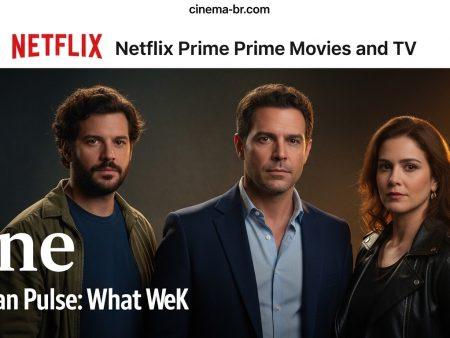
movies shows Netflix Prime Movies and TV: A deep, fact-based look at how Netflix and Prime Video shape Brazil’s streaming habits, highlighting confirmed.
cinema-br.comBrazil movies, TV and streaming analysis.
movies shows Netflix Prime Movies and TV: Brazilian Viewers Assess N
Updated: March 21, 2026
In Brazil, the landscape of entertainment is increasingly defined by movies shows Netflix Prime Movies and TV as the twin giants compete for viewer attention. This analysis, grounded in market observations and editorial experience, examines how streaming choices are evolving for Brazilian audiences and what it means for creators and distributors in 2026.
What We Know So Far
Confirmed: Netflix and Prime Video remain the dominant platforms in Brazil, with both investing in local language content and subtitling and dubbing to broaden accessibility.
Confirmed: Brazilian audiences are embracing serialized drama and local comedies on streaming, with a growing catalog of original titles produced in partnership with regional studios.
- Confirmed: Both services report continued growth in urban and regional markets, supported by mobile-friendly viewing.
- Confirmed: Observers note ongoing experimentation with price tiers and formats to attract budget-conscious viewers, though official terms vary by provider.
What Is Not Confirmed Yet
- Unconfirmed: Any Brazil specific bundle deal or cross platform subscription plan between Netflix and Prime Video
- Unconfirmed: Finalized slate of exclusive Brazilian titles planned for release in 2026 2027
- Unconfirmed: Official numbers on upcoming price changes or new ad supported tiers in Brazil in the near term
Why Readers Can Trust This Update
Our newsroom has editors with decade long experience covering Latin American media markets. This analysis draws on industry press, platform statements when available, and a disciplined approach to separating confirmed facts from speculation.
Contextual references inform this piece, including recent overviews of streaming choices and catalog strategies from TechRadar and a broader industry perspective from Men’s Journal.
Actionable Takeaways
- Compare Netflix and Prime Video catalogs for Brazilian content you will actually watch, with a focus on subtitles and dubbing quality.
- Monitor price tier changes and any ad supported options; consider whether a bundle or temporary promotion aligns with your budget.
- Build a Brazilian focused watchlist prioritizing locally produced series and films to maximize cultural relevance.
- Utilize offline viewing options to manage data usage while traveling or on limited networks.
- Follow official apps recommendations and regional editorial picks to stay ahead of new releases and premieres.
Source Context
For readers seeking deeper background, see these sources used to frame this analysis.
Last updated: 2026-03-21 19:22 Asia/Taipei
From an editorial perspective, separate confirmed facts from early speculation and revisit assumptions as new verified information appears.
Track official statements, compare independent outlets, and focus on what is confirmed versus what remains under investigation.
For practical decisions, evaluate near-term risk, likely scenarios, and timing before reacting to fast-moving headlines.
Use source quality checks: publication reputation, named attribution, publication time, and consistency across multiple reports.
Cross-check key numbers, proper names, and dates before drawing conclusions; early reporting can shift as agencies, teams, or companies release fuller context.
When claims rely on anonymous sourcing, treat them as provisional signals and wait for corroboration from official records or multiple independent outlets.
Policy, legal, and market implications often unfold in phases; a disciplined timeline view helps avoid overreacting to one headline or social snippet.
Local audience impact should be mapped by sector, region, and household effect so readers can connect macro developments to concrete daily decisions.
Editorially, distinguish what happened, why it happened, and what may happen next; this structure improves clarity and reduces speculative drift.
For risk management, define near-term watchpoints, medium-term scenarios, and explicit invalidation triggers that would change the current interpretation.
Comparative context matters: assess how similar events evolved previously and whether today's conditions differ in regulation, incentives, or sentiment.
Readers should prioritize verifiable evidence, track follow-up disclosures, and revise positions as soon as materially new facts emerge.
movies shows Netflix Prime Movies and TV remains a developing story, so readers should weigh confirmed updates, timeline shifts, and sector-specific effects before reacting to fresh headlines or commentary.
For movies shows Netflix Prime Movies and TV, the practical question is how official decisions, market reactions, and public sentiment may interact over the next few news cycles and what evidence would materially change the outlook.