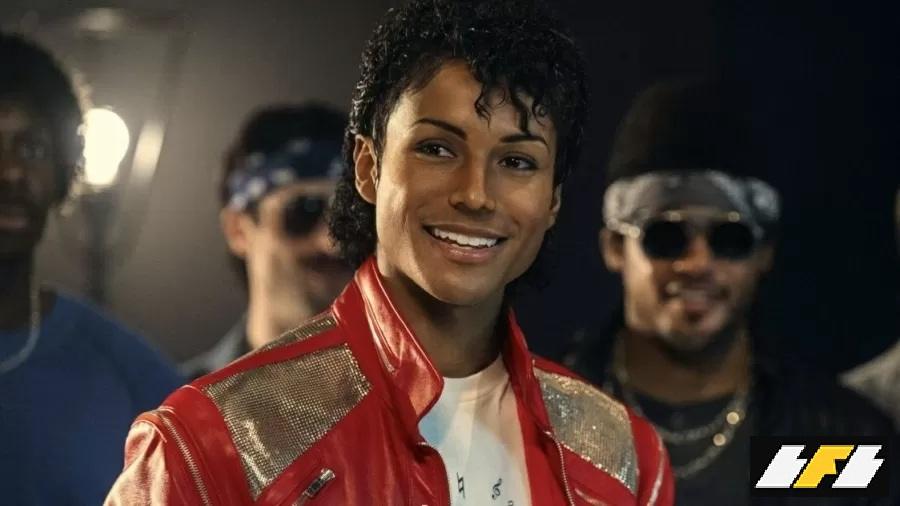
Diversity in Hollywood: Analyzing the Shift in Movie Casting Trends in Recent Years Hollywood, long considered the epicenter of global entertainment, has been under scrutiny for its lack of.
cinema-br.comBrazil movies, TV and streaming analysis.
“Diversity in Hollywood: Analyzing the Shift in Movie Casting Trends in Recent Years”
Updated: April 10, 2026
Diversity in Hollywood: Analyzing the Shift in Movie Casting Trends in Recent Years
Hollywood, long considered the epicenter of global entertainment, has been under scrutiny for its lack of diversity in film and television. For decades, the industry was criticized for its predominantly white, male-centric narratives. However, recent years have witnessed a significant shift in casting trends, reflecting a broader spectrum of stories and characters. This transformation is not merely a trend but a response to societal demands for representation and inclusion. This article delves into the evolution of diversity in Hollywood, examining the changes in casting practices and their implications for the future of the industry.
The Historical Context of Casting in Hollywood
Historically, Hollywood has been a reflection of the broader societal norms and prejudices. The early 20th century, often referred to as the Golden Age of Hollywood, was characterized by a lack of diversity both in front of and behind the camera. Films from this era predominantly featured white actors in leading roles, with minorities often relegated to stereotypical or minor parts. It wasn’t until the civil rights movement of the 1960s and 1970s that there was a slight shift toward more inclusive casting.
Despite some progress, the 1990s and early 2000s still saw a significant underrepresentation of minority groups. This was not only limited to racial and ethnic minorities but also extended to gender, sexuality, and disability representation. The predominantly homogeneous nature of casting in Hollywood was increasingly at odds with the diverse and multicultural nature of society.

The Push for Diversity: Social Movements and Industry Response
The push for diversity in Hollywood has been significantly influenced by broader social movements advocating for equality and representation. Movements such as Black Lives Matter and transgender rights have highlighted the need for more inclusive storytelling that reflects the experiences of all individuals.
In response, the industry has seen a wave of initiatives aimed at promoting diversity. Organizations such as the Academy of Motion Picture Arts and Sciences have implemented new guidelines to encourage more inclusive practices. The introduction of diversity quotas and requirements for Oscar eligibility is a testament to the industry’s commitment to change.
Changes in Casting Practices: A New Era of Inclusion
The shift towards more diverse casting practices is evident in the growing number of films and television shows showcasing minority-led narratives. Movies such as “Black Panther” and “Crazy Rich Asians” have broken box office records, proving that diverse casts can lead to commercial success. These films not only celebrate cultural diversity but also challenge the traditional stereotypes often associated with minority groups.
Moreover, television has become a powerful medium for diverse representation. Shows like “Pose” and “Orange is the New Black” have been praised for their authentic portrayal of marginalized communities. These shows have opened up conversations about race, gender, and sexuality, providing a platform for underrepresented voices in the entertainment industry.

The Impact of Streaming Platforms on Diversity
The rise of streaming platforms such as Netflix, Hulu, and Amazon Prime has also played a crucial role in promoting diversity in Hollywood. Unlike traditional studios, these platforms are not bound by the same constraints and are more willing to take risks on diverse content. As a result, there has been an influx of original programming that features diverse casts and narratives.
Streaming platforms have also democratized content creation, allowing creators from diverse backgrounds to produce and distribute their work. This has led to a more inclusive range of stories being told, providing audiences with a more comprehensive view of the human experience.
The Challenges and Future of Diversity in Hollywood
While significant progress has been made, challenges remain in achieving true diversity in Hollywood. The industry still faces issues related to tokenism, where minority characters are included solely to check a diversity box, rather than being integral to the storyline. Additionally, there is a need for more diversity behind the camera, with initiatives aimed at increasing the number of minority directors, writers, and producers.
The future of diversity in Hollywood will depend on continued advocacy and accountability. Industry stakeholders must prioritize inclusive practices, ensuring that diversity is not just a trend but a permanent fixture in the entertainment landscape.
Conclusion: The Road Ahead

The shift towards diversity in Hollywood is a reflection of changing societal values and the demand for representation. While there is still work to be done, the progress made in recent years is promising. As the industry continues to evolve, it is essential to support diverse voices and stories that reflect the complexities of the world we live in.
Ultimately, true diversity in Hollywood will be achieved when all individuals, regardless of race, gender, or background, have equal opportunities to tell their stories and share their talents with the world.
Empowering the Next Generation of Creators
A crucial component of sustaining diversity in Hollywood lies in empowering the next generation of filmmakers, actors, and writers from diverse backgrounds. Educational programs and scholarships targeted at underrepresented communities can provide the necessary resources and opportunities to nurture new talent. Organizations such as the Sundance Institute and Film Independent are already making strides in this direction by offering workshops and labs designed to support emerging filmmakers.
Mentorship programs also play a vital role in guiding young creators as they navigate the complexities of the entertainment industry. By connecting aspiring artists with established industry professionals, these programs offer valuable insights and foster a network of support that can help bridge the gap between opportunity and success.
The Role of Audiences in Driving Change
Audiences hold significant power in influencing casting trends and promoting diversity in Hollywood. Box office success and viewership ratings are critical metrics that studios consider when making decisions about future projects. By supporting films and TV shows that feature diverse casts and narratives, audiences can send a clear message to the industry about the types of stories they want to see.

Social media has also emerged as a powerful tool for audiences to voice their opinions and advocate for change. Campaigns and movements initiated by fans can draw attention to issues of representation and encourage studios to take action. The success of fan-driven campaigns like #OscarsSoWhite has demonstrated the impact that collective voices can have in reshaping the entertainment landscape.
Measuring the Impact of Diversity Initiatives
To ensure that diversity initiatives lead to meaningful change, it is essential to establish metrics for measuring their impact. This includes tracking the representation of minority groups in leading roles, as well as behind-the-scenes positions such as directors, producers, and writers. Transparent reporting and accountability are crucial in evaluating the progress made and identifying areas that need improvement.
Industry reports, such as the annual Hollywood Diversity Report, provide valuable insights into the state of diversity in the entertainment industry. These reports highlight trends, successes, and challenges, serving as a benchmark for measuring the effectiveness of diversity efforts.
Building a Sustainable Model for Diversity
Achieving long-term diversity in Hollywood requires a sustainable model that goes beyond token gestures or short-term initiatives. It involves creating an inclusive culture that values diverse perspectives and recognizes the benefits of representation. This cultural shift must be supported by policies and practices that promote equity and inclusion at all levels of the industry.

Studios and production companies must commit to diversity as a core value, integrating it into their business strategies and decision-making processes. This includes diversifying leadership teams, fostering inclusive work environments, and actively seeking out diverse talent for projects.
The Global Influence of Hollywood’s Diversity Efforts
As a dominant force in global entertainment, Hollywood’s approach to diversity has far-reaching implications beyond the United States. The industry’s commitment to inclusive storytelling can influence other film industries worldwide, encouraging them to embrace diversity in their own casting practices.
Collaboration between Hollywood and international filmmakers can lead to cross-cultural narratives that resonate with audiences globally. This exchange of ideas and perspectives enriches the cinematic landscape, offering a more comprehensive portrayal of the human experience across different cultures and societies.
Conclusion: Embracing Diversity as a Cultural Imperative
The shift towards diversity in Hollywood is more than just a response to societal pressure; it is a recognition of the cultural imperative to represent the rich tapestry of human experiences. By embracing diversity, the entertainment industry can tell more authentic, engaging, and relatable stories that resonate with audiences worldwide.
As Hollywood continues to evolve, it is essential to maintain momentum and build on the progress made. Through continued advocacy, support for diverse creators, and a commitment to inclusive practices, the industry can pave the way for a more equitable and representative future in entertainment.
Diversity in Hollywood is not just a trend—it’s a transformative movement that promises to enrich the industry and its audiences, creating a legacy of inclusion for generations to come.
Read More