The Impact of Variety Shows on Modern Television and Culture Variety shows have long been a staple of television programming, captivating audiences with their eclectic mix of entertainment.
cinema-br.comBrazil movies, TV and streaming analysis.
“The Impact of Variety Shows on Modern Television and Culture”
Updated: April 10, 2026
The Impact of Variety Shows on Modern Television and Culture
Variety shows have long been a staple of television programming, captivating audiences with their eclectic mix of entertainment. From comedy sketches and musical performances to interviews and magic acts, variety shows offer a little something for everyone. In this blog post, we will explore the impact of variety shows on modern television and culture, highlighting how they have influenced today’s programming, entertained generations, and shaped cultural norms.
A Brief History of Variety Shows
Variety shows have been a part of the entertainment landscape since the early days of television. Originating from vaudeville and music hall traditions, these shows became a popular format during the golden age of television in the 1950s and 60s. Famous examples include “The Ed Sullivan Show” and “The Carol Burnett Show,” which brought diverse forms of entertainment into the living rooms of millions of viewers.
As television evolved, so did the format of variety shows. They adapted to changing tastes and technologies, surviving through decades by constantly reinventing themselves. Today’s variety shows may look different from their predecessors, but they continue to captivate audiences worldwide.
Influence on Modern Television Programming
Variety shows have left an indelible mark on modern television, influencing everything from late-night talk shows to talent competitions. The format of mixing different forms of entertainment within a single program laid the groundwork for many popular shows today.
Consider the impact on late-night television. Shows like “Saturday Night Live” and “The Tonight Show” incorporate elements of traditional variety shows, such as comedy sketches and musical performances. These programs have become cultural touchstones, shaping public discourse and providing a platform for new talent. The official Saturday Night Live website provides a rich history of its influence.

Reality television has also drawn heavily from the variety show format. Shows like “America’s Got Talent” and “The Voice” showcase a diverse array of acts, from singers and dancers to magicians and comedians. This format has proven to be incredibly popular, capturing the public’s imagination and launching the careers of many performers.
Entertainment and Engagement
One of the key strengths of variety shows is their ability to entertain and engage audiences. By offering a mix of content, they cater to a wide range of tastes and preferences, ensuring that there is something for everyone. This broad appeal is one reason why variety shows have remained popular over the decades.
Moreover, variety shows often feature live performances, which add an element of excitement and spontaneity that pre-recorded shows cannot match. This live aspect helps create a sense of connection between the performers and the audience, fostering a communal viewing experience.
The interactive nature of variety shows also plays a significant role in their appeal. Many programs encourage audience participation, whether through live voting, social media interaction, or in-studio participation. This engagement helps to build a loyal fan base and keeps viewers coming back for more.
Cultural Influence and Reflection
Variety shows do more than entertain; they also reflect and influence cultural norms and values. By showcasing a diverse array of acts and performers, these shows promote inclusivity and celebrate different cultures and art forms. They provide a platform for underrepresented voices and help to break down cultural barriers.
Furthermore, variety shows often address social and political issues, using humor and satire to comment on current events. This tradition of social commentary has made variety shows a powerful tool for shaping public opinion and fostering dialogue on important issues. For example, “The Daily Show” has become known for its sharp political satire and insightful commentary on current events. You can explore more about its impact on Comedy Central’s website.

Additionally, variety shows have played a role in setting cultural trends. From popularizing new music and dance styles to influencing fashion and language, these shows have a significant impact on popular culture. They serve as a mirror of society, reflecting both its triumphs and its challenges.
Challenges and Criticisms
Despite their popularity, variety shows are not without their challenges and criticisms. One of the main criticisms is that they can sometimes rely on formulaic content, leading to a lack of originality and innovation. Additionally, the pressure to maintain high ratings can result in a focus on sensationalism rather than quality entertainment.
Another challenge is the changing media landscape, with the rise of streaming platforms and on-demand content altering how audiences consume entertainment. Variety shows must adapt to these changes to remain relevant, finding ways to engage viewers in an increasingly fragmented media environment.
However, these challenges also present opportunities for variety shows to evolve and innovate. By embracing new technologies and platforms, they can reach a broader audience and continue to play a vital role in the entertainment industry.
The Future of Variety Shows
Looking ahead, it is clear that variety shows will continue to be an important part of the television landscape. Their ability to adapt and evolve has ensured their survival through decades of change. As technology and audience preferences continue to shift, variety shows will need to innovate and find new ways to engage viewers.
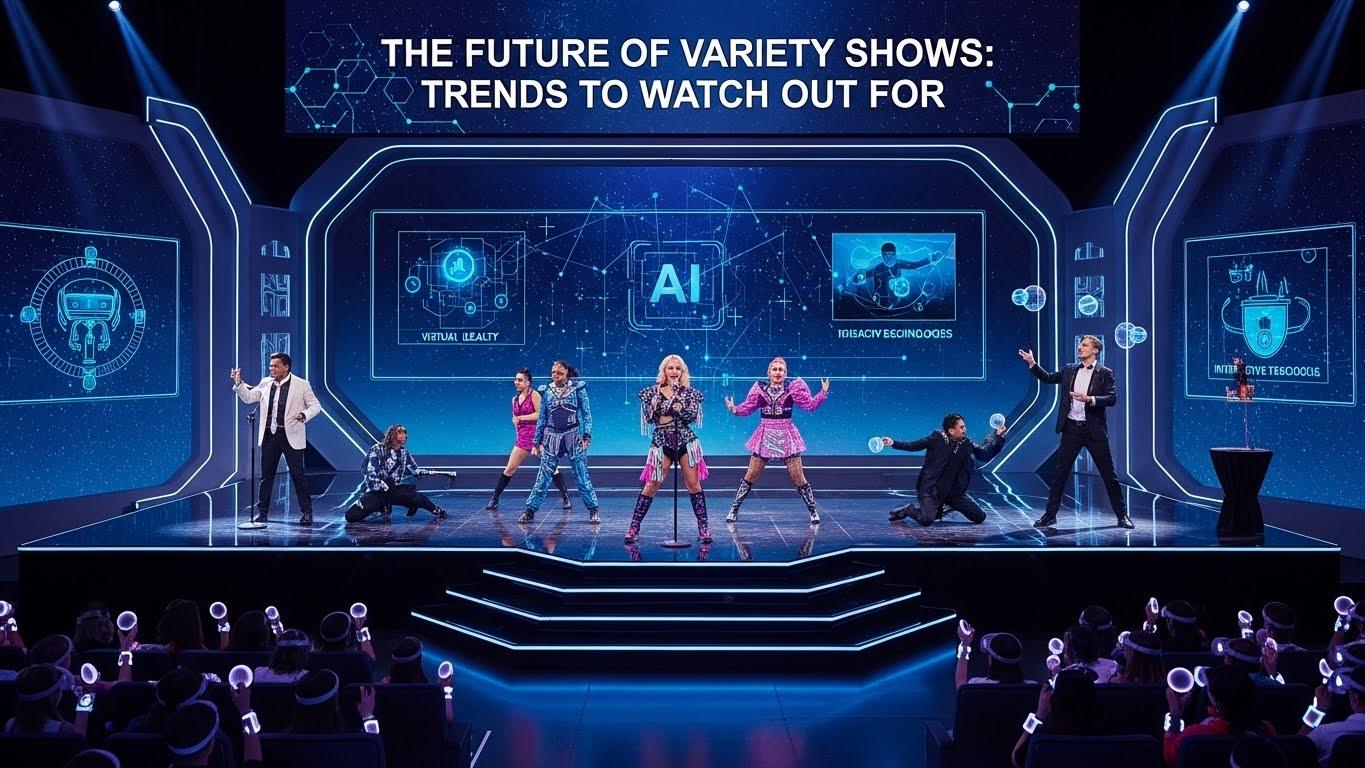
One potential avenue for growth is the integration of interactive technologies, such as virtual reality and augmented reality, which could offer viewers a more immersive experience. Additionally, the use of social media and digital platforms can help variety shows reach new audiences and foster greater audience engagement. To understand more about how these technologies are shaping content, you can refer to insights from the New York Times Technology section.

Ultimately, the enduring appeal of variety shows lies in their ability to entertain, engage, and reflect the world around us. As long as they continue to innovate and evolve, they will remain a beloved fixture of the television landscape.
Takeaways
Variety shows have had a profound impact on modern television and culture, influencing programming, entertaining generations, and shaping cultural norms. Their unique blend of entertainment and engagement has ensured their enduring popularity, while their ability to reflect and influence society has made them a powerful cultural force.
Despite the challenges they face, variety shows continue to thrive, adapting to changing technologies and audience preferences. As they evolve, they will undoubtedly continue to play a vital role in the entertainment industry, providing a platform for diverse voices and fostering a sense of connection and community among viewers.
In conclusion, the impact of variety shows on modern television and culture is undeniable. Their legacy is one of innovation, inclusivity, and entertainment, and their influence will continue to be felt for years to come. For a more detailed exploration of their history and influence, the Wikipedia entry on variety shows offers a comprehensive overview.
Global Influence of Variety Shows
Variety shows have not only shaped American television but have also made a significant impact globally. In many countries, local adaptations and versions of variety shows have become cultural phenomena, each bringing a unique twist to the format while maintaining the core elements that make variety shows so appealing.
For instance, South Korea’s variety shows, such as “Running Man” and “Infinite Challenge,” have gained international fame, drawing audiences from around the world. These shows often blend humor, games, and celebrity appearances, creating a format that is both entertaining and relatable. The global appeal of Korean variety shows has even contributed to the worldwide popularity of Korean pop culture, often referred to as the “Hallyu Wave.” For insights into the global spread of Korean entertainment, you can visit the Koreaboo website.
In the UK, variety shows have a long-standing tradition, with programs like “The Graham Norton Show” and “Britain’s Got Talent” drawing millions of viewers. These shows often blend celebrity interviews with live performances, creating a dynamic and engaging viewing experience. The British approach to variety shows has influenced many international formats, demonstrating the global exchange of ideas within the genre.
The Role of Technology in the Evolution of Variety Shows
Technology has played a significant role in the evolution of variety shows, enabling new forms of interactivity and engagement. With the advent of digital technology, variety shows have expanded beyond traditional television to online platforms, reaching a wider audience and offering new ways to interact with viewers.
Streaming platforms like YouTube and Netflix have become important venues for variety shows, allowing creators to experiment with different formats and reach a global audience. This shift to digital platforms has also enabled real-time audience interaction through live chats and social media, enhancing the viewing experience and creating a more engaged community. For more on how streaming services are reshaping entertainment, the Forbes article on streaming services offers valuable insights.
Furthermore, advancements in production technology have allowed for high-quality visual and audio experiences, making variety shows more immersive and captivating. Technologies such as augmented reality and virtual sets are being used to create innovative and visually stunning performances that captivate audiences.
Variety Shows and Talent Discovery
One of the enduring legacies of variety shows is their role in discovering and nurturing talent. Throughout history, many famous artists, comedians, and musicians have had their start on variety shows. By providing a platform for emerging talent, these shows have played a crucial role in shaping the entertainment industry.
Shows like “Star Search” and “The X Factor” have launched the careers of many successful artists, giving them the exposure needed to reach a wider audience. These programs not only showcase talent but also provide mentorship and support, helping performers develop their skills and grow as artists.
The talent discovery aspect of variety shows continues to be relevant today, as evidenced by the success of modern programs like “American Idol” and “The Voice.” These shows have become cultural phenomena in their own right, attracting large audiences and generating significant media attention.
Takeaways
Variety shows have had a profound and lasting impact on modern television and culture. Their ability to entertain, engage, and reflect society has ensured their place in the annals of entertainment history. From their humble beginnings in vaudeville to their current iterations on digital platforms, variety shows have continually adapted to changing times, evolving to meet the needs and expectations of their audiences.
As we look to the future, the enduring appeal of variety shows suggests that they will continue to be a vital part of the entertainment landscape. By embracing new technologies and platforms, they will remain relevant and continue to captivate audiences around the world. For a comprehensive look at the evolution of entertainment, the Variety website offers a wealth of information and resources.
In conclusion, variety shows will continue to shape modern television and culture, providing a platform for diverse voices and fostering a sense of connection and community among viewers. Their legacy of innovation, inclusivity, and entertainment will undoubtedly endure for generations to come.