Top 10 Unforgettable Moments in Variety Show History Variety shows have long been a staple of entertainment, offering a unique blend of comedy, music, dance, and drama that appeals to audien.
cinema-br.comBrazil movies, TV and streaming analysis.
“Top 10 Unforgettable Moments in Variety Show History”
Updated: April 10, 2026
Top 10 Unforgettable Moments in Variety Show History
Variety shows have long been a staple of entertainment, offering a unique blend of comedy, music, dance, and drama that appeals to audiences of all ages. Over the years, these shows have gifted us with countless memorable moments that have remained etched in the public’s consciousness. From unexpected performances to historic cultural moments, variety shows have captured the essence of live television. In this post, we’ll explore ten unforgettable moments in variety show history that have left an indelible mark on the entertainment world.
1. Elvis Presley’s Historic Performance on “The Ed Sullivan Show”
Elvis Presley’s appearance on The Ed Sullivan Show in 1956 is perhaps one of the most iconic moments in television history. The King of Rock ‘n’ Roll’s gyrating hips and energetic performance of “Hound Dog” and “Don’t Be Cruel” captivated the audience, drawing an astonishing 60 million viewers. This moment not only solidified Elvis’s status as a cultural icon but also demonstrated the power of television in shaping popular music and youth culture.
2. The Beatles’ American Debut
Another unforgettable moment on “The Ed Sullivan Show” was the American debut of The Beatles in 1964. With more than 73 million viewers tuning in, this performance marked the beginning of the British Invasion and transformed the Beatles into international superstars. Their electrifying rendition of “I Want to Hold Your Hand” and other hits captivated a generation and set the stage for their immense influence on music and culture.

3. Carol Burnett’s “Gone with the Wind” Parody
The “Gone with the Wind” parody on “The Carol Burnett Show” is a classic example of the show’s brilliant comedy. In this unforgettable sketch, Carol Burnett dons a curtain rod dress, poking fun at the iconic film. The sketch was a hit, showcasing Burnett’s comedic genius and the show’s ability to blend humor with cultural commentary. This moment remains a beloved piece of television history, demonstrating the power of parody in entertainment.
4. Michael Jackson’s Moonwalk on “Motown 25: Yesterday, Today, Forever”
Michael Jackson’s moonwalk during the “Motown 25: Yesterday, Today, Forever” special in 1983 was a defining moment in his career. Performing “Billie Jean,” Jackson captivated the audience with his smooth moves and iconic moonwalk, a dance that would become his signature. This performance not only highlighted Jackson’s extraordinary talent but also exemplified the impact of variety shows in showcasing groundbreaking performances. For more insights on Michael Jackson’s influence, visit the official Michael Jackson site.
5. The “Who Shot J.R.?” Phenomenon on “Saturday Night Live”
In 1980, the cliffhanger “Who Shot J.R.?” from the drama “Dallas” captivated audiences worldwide. “Saturday Night Live” seized the opportunity to parody the sensation with a sketch featuring guest host Charlene Tilton. The humorous take on the mystery added a comedic twist to the ongoing speculation, showcasing SNL’s ability to blend pop culture with comedy, a trademark of the show that continues today.

6. Lucille Ball’s Classic Comedy on “I Love Lucy”
“I Love Lucy” may not be a traditional variety show, but its influence on the genre is undeniable. Lucille Ball’s comedic brilliance, particularly in the episode “Lucy Does a TV Commercial,” where she hilariously bungles a commercial for Vitameatavegamin, remains a pinnacle of television comedy. This moment exemplifies Ball’s unparalleled comedic timing and the show’s lasting legacy in shaping television humor.
7. Judy Garland’s Emotional Comeback on “The Judy Garland Show”
Judy Garland’s performance on her own variety show in the early 1960s marked an emotional comeback for the legendary star. Singing heartfelt renditions of her classic hits, Garland reminded audiences of her incredible talent and resilience. Her performances on the show were a testament to her enduring legacy and the ability of variety shows to provide a platform for iconic artists to connect with their fans.
8. “The Muppet Show” and its Celebrity Guests
“The Muppet Show” was a groundbreaking variety program that combined puppetry, comedy, and celebrity guests. One of its most memorable moments was the appearance of singer Elton John, who performed “Crocodile Rock” with the Muppets. The show’s unique format and innovative approach to entertainment continue to influence variety programming, showcasing the enduring appeal of Jim Henson’s creations.
9. David Letterman’s “Stupid Pet Tricks” Segment

David Letterman’s “Stupid Pet Tricks” segment on “Late Night with David Letterman” became a beloved part of the show’s legacy. Featuring pets performing unusual and amusing tricks, the segment highlighted Letterman’s quirky humor and ability to engage audiences with lighthearted entertainment. This recurring segment became a staple of late-night television, illustrating the versatility and creativity of variety show formats.
10. Tina Fey as Sarah Palin on “Saturday Night Live”
Tina Fey’s portrayal of Sarah Palin on “Saturday Night Live” during the 2008 U.S. presidential election became an instant classic. Fey’s uncanny impersonation and sharp delivery captured the attention of viewers, blending political satire with comedy. This moment solidified Fey’s status as a comedic powerhouse and demonstrated the enduring impact of SNL in shaping political discourse through humor.
Takeaways
Variety shows have provided a platform for some of the most unforgettable moments in television history. From groundbreaking performances to iconic parodies, these shows have left an indelible mark on the entertainment landscape. Their ability to adapt and innovate ensures that variety shows remain a beloved part of television programming, continuously capturing the hearts and minds of audiences worldwide. As we reflect on these unforgettable moments, we celebrate the rich legacy of variety shows and their ongoing influence on popular culture.
The Evolution and Impact of Variety Shows
Variety shows have undergone significant transformations over the decades, adapting to changes in technology, audience preferences, and cultural shifts. This evolution has allowed them to remain relevant and influential in the entertainment industry. Let’s explore how variety shows have evolved and the impact they continue to have on both television and culture.
The Golden Age of Television
During the golden age of television in the 1950s and 1960s, variety shows were a dominant form of entertainment. Programs like “The Ed Sullivan Show” and “The Carol Burnett Show” set the standard for high-quality entertainment, featuring an array of talent and groundbreaking performances. These shows brought families together, offering a shared viewing experience that became a weekly tradition in many households.
Adapting to Changing Times
As television technology advanced and cable networks expanded, variety shows faced new challenges and opportunities. The rise of music videos and specialized channels like MTV in the 1980s shifted the focus of musical performances away from traditional variety shows. However, this era also witnessed the rise of late-night talk shows, which incorporated elements of variety programming, blending interviews, comedy, and live performances.
The Digital Era and Variety Shows
In the digital age, variety shows have embraced new platforms to reach wider audiences. The internet and social media have enabled clips and segments from shows to go viral, attracting viewers beyond traditional television audiences. This shift has led to a resurgence of interest in variety programming, with shows like “Saturday Night Live” leveraging platforms like YouTube to extend their reach and influence.
Global Influence and Cultural Exchange
Variety shows have also played a crucial role in promoting cultural exchange and global influence. Programs from different countries, such as Japan’s “Kōhaku Uta Gassen” and South Korea’s “Running Man,” have gained international popularity, introducing audiences to diverse cultural forms and entertainment styles. This cross-cultural appeal highlights the universal nature of variety shows as a form of entertainment.
The Enduring Appeal of Variety Shows
Despite the changes in the entertainment landscape, the core elements that make variety shows appealing remain intact. The blend of music, comedy, dance, and guest appearances continues to captivate audiences, offering a diverse and engaging viewing experience. The ability of variety shows to adapt to new trends while preserving their traditional appeal has ensured their continued success.
Looking to the Future
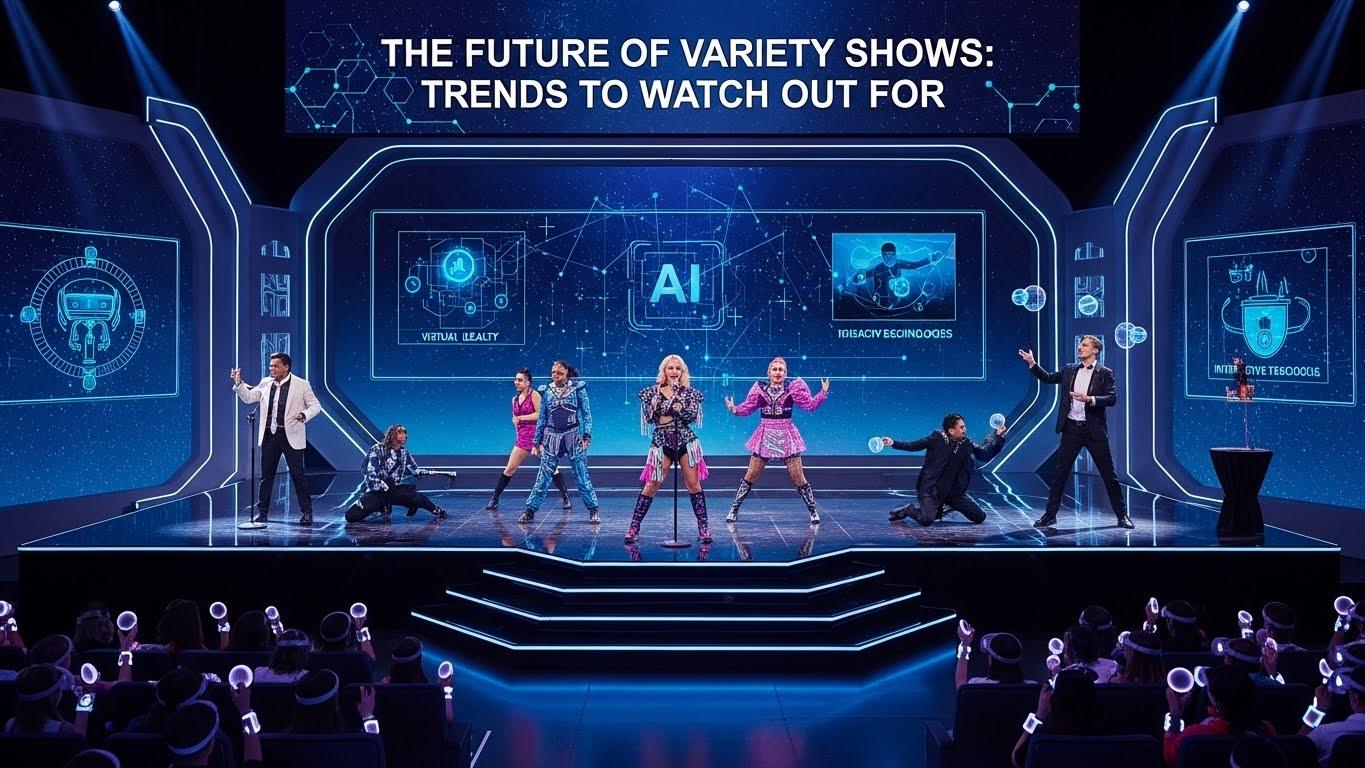
As technology continues to evolve, so too will the format and presentation of variety shows. Innovations such as virtual reality and interactive viewer experiences may shape the future of variety programming, offering new ways to engage audiences. However, the essence of variety shows—bringing people together to enjoy a wide range of entertainment—will undoubtedly remain a timeless concept.
Conclusion: Celebrating the Legacy of Variety Shows
Variety shows have left an indelible mark on the history of television, shaping the way we experience entertainment and influencing countless performers and creators. Their ability to adapt to changing times while retaining their core appeal is a testament to their enduring legacy. As we celebrate the unforgettable moments from variety show history, we recognize their role in connecting audiences across generations and cultures, creating shared memories that continue to resonate today.
Whether through iconic performances, hilarious sketches, or groundbreaking parodies, variety shows have enriched our lives and contributed to the vibrant tapestry of entertainment. As we look to the future, we can be sure that variety shows will continue to evolve, innovate, and entertain, leaving us with even more unforgettable moments to cherish.