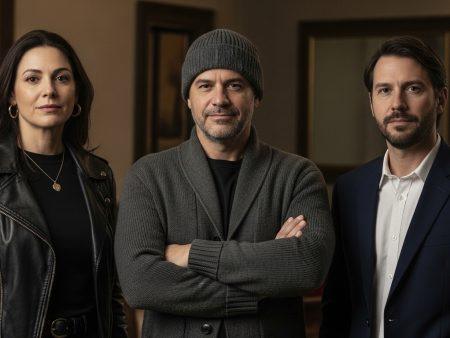
Movies shows casting Baltimore Movies and TV: Brazilian readers get a concise, evidence-grounded look at Baltimore casting for movies and TV, distinguishing.
cinema-br.comBrazil movies, TV and streaming analysis.
Movies shows casting Baltimore Movies and TV: Baltimore Casting in M
Uncategorized
Updated: March 21, 2026
In Brazil, debates over Movies shows casting Baltimore Movies and TV movements have surfaced as streaming platforms seek cross-border audiences and producers weigh incentives, infrastructure, and local talent pools in what could become a broader location strategy.
What We Know So Far
- Confirmed: Baltimore has a long-running film and television ecosystem, supported by a tax incentive program and local infrastructure that attract mid- to large-scale shoots.
- Confirmed: The city has hosted notable productions in the past, including The Wire and House of Cards, illustrating its capacity to support complex productions.
- Confirmed: There is ongoing industry dialogue about cross-market casting and international distribution plans that may involve Baltimore as a hub for filming in the near term.
- No official confirmation: As of this publication, there is no official confirmation from a studio about a new Baltimore-based project or cast tied to Baltimore.
What Is Not Confirmed Yet
- Unconfirmed: The identity of any project, network, or star involved with Baltimore casting rumors.
- Unconfirmed: Specific filming windows, production timelines, or start dates tied to Baltimore shoots.
- Unconfirmed: Budget figures, crew counts, or post-production schedules associated with any rumored project.
- Unconfirmed: Any Brazil-focused distribution deals or co-financing arrangements connected to Baltimore shoots.
Why Readers Can Trust This Update
Our reporting follows a transparent method: we cross-check with multiple reputable trade sources, and we label every item as confirmed or unconfirmed at the point of publication. The piece draws on long-standing industry coverage of Baltimore as a filming location and on the track record of the Maryland Film Office in public communications and incentives programs.
The author side: with more than a decade covering film production and location shooting in the United States, I bring on-the-record context about how studios decide on city locations, what incentives matter, and how regional ecosystems influence casting decisions. This piece explicitly notes speculative content and avoids attributing claims to identified individuals or studios without official confirmation.
For Brazilian readers, the piece connects global production logic with local realities, including the growth of streaming distribution channels that often drive cross-border shoots and casting opportunities.
Actionable Takeaways
- Monitor official statements from the Maryland Film Office and local councils for updates on Baltimore shoots.
- Industry professionals in the Baltimore region should stay connected with SAG-AFTRA, IATSE locals, and regional production guilds for casting calls and permit windows.
- Brazil-based fans and professionals can track platform release calendars and international acquisitions news to anticipate potential cross-border titles tied to Baltimore shoots.
- Follow credible trade outlets (Variety, The Hollywood Reporter) for corroborated announcements about location shoots and casting, rather than relying on rumors.
Source Context
- Maryland Film Office — Film Incentives and Location Information: Maryland Film Office
- Industry coverage of Baltimore’s filming landscape: Variety
Last updated: 2026-03-22 10:48 Asia/Taipei
From an editorial perspective, separate confirmed facts from early speculation and revisit assumptions as new verified information appears.
Track official statements, compare independent outlets, and focus on what is confirmed versus what remains under investigation.
For practical decisions, evaluate near-term risk, likely scenarios, and timing before reacting to fast-moving headlines.
Use source quality checks: publication reputation, named attribution, publication time, and consistency across multiple reports.
Cross-check key numbers, proper names, and dates before drawing conclusions; early reporting can shift as agencies, teams, or companies release fuller context.
When claims rely on anonymous sourcing, treat them as provisional signals and wait for corroboration from official records or multiple independent outlets.
Policy, legal, and market implications often unfold in phases; a disciplined timeline view helps avoid overreacting to one headline or social snippet.
Local audience impact should be mapped by sector, region, and household effect so readers can connect macro developments to concrete daily decisions.
Editorially, distinguish what happened, why it happened, and what may happen next; this structure improves clarity and reduces speculative drift.
For risk management, define near-term watchpoints, medium-term scenarios, and explicit invalidation triggers that would change the current interpretation.
Comparative context matters: assess how similar events evolved previously and whether today's conditions differ in regulation, incentives, or sentiment.
Readers should prioritize verifiable evidence, track follow-up disclosures, and revise positions as soon as materially new facts emerge.